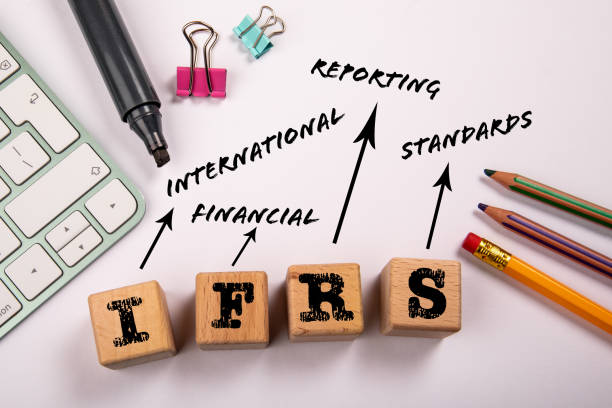
The International Financial Reporting Standards (IFRS) have long been a cornerstone of global financial reporting, providing a common language for businesses to communicate their financial performance and position. In the United Kingdom, as in many other countries, the IFRS landscape is constantly evolving to meet the demands of a dynamic and complex business environment. This article delves into the changes in the IFRS landscape in the UK, exploring how businesses are adapting to regulatory shifts to ensure effective and transparent financial reporting. The adoption of IFRS in the UK marked a significant shift from the previously prevalent Generally Accepted Accounting Principles (GAAP). The transition aimed to enhance comparability and transparency across financial statements of companies operating in different jurisdictions, facilitating a more globalized and interconnected business environment. The IFRS landscape in the UK has witnessed notable changes in response to evolving global financial standards and emerging issues. Regulatory bodies such as the Financial Reporting Council (FRC) actively engage with the International Accounting Standards Board (IASB) to ensure that the UK remains aligned with international best practices. Recent changes include amendments to accounting standards, disclosure requirements, and the introduction of new reporting frameworks. One significant change in the IFRS landscape is the adoption of IFRS 9, which addresses the classification and measurement of financial instruments. This standard introduces a more forward-looking approach to impairment, requiring businesses to assess expected credit losses and adjust their financial statements accordingly. The goal is to provide stakeholders with a more accurate reflection of the financial health of an organization. IFRS 15 represents a fundamental shift in how businesses recognize revenue from contracts with customers. The standard establishes a comprehensive framework for revenue recognition, emphasizing the importance of aligning revenue recognition with the transfer of goods or services to customers. This change ensures consistency and comparability across industries, enabling stakeholders to make informed decisions based on accurate financial information. IFRS 16 addresses the accounting treatment of leases, requiring lessees to recognize lease liabilities and right-of-use assets on their balance sheets. This change eliminates the distinction between operating and finance leases, providing a more comprehensive view of an organization’s financial commitments. The impact of IFRS 16 is particularly significant for industries that heavily rely on leasing arrangements, such as retail and transportation. Adapting to changes in the IFRS landscape is not without challenges. Companies often face implementation hurdles, resource constraints, and the need for extensive staff training. Additionally, the complexity of some standards, coupled with their potential impact on reported financial figures, necessitates careful consideration and strategic planning by businesses. Despite the challenges, the evolution of the IFRS landscape in the UK ultimately aims to enhance transparency and bolster stakeholder confidence. Clear and consistent financial reporting enables investors, creditors, and other stakeholders to make informed decisions about an organization’s financial health, performance, and prospects. Looking ahead, the IFRS landscape is likely to continue evolving to address emerging issues such as sustainability reporting, digital transformation, and the impact of technological advancements on financial reporting. Companies must remain agile and proactively adapt to these changes to maintain compliance and ensure the reliability of their financial information. The evolving IFRS landscape in the UK reflects the dynamic nature of global financial reporting standards. As businesses navigate changes such as IFRS 9, IFRS 15, and IFRS 16, they must approach these transitions strategically, embracing the opportunity to enhance transparency and stakeholder confidence. Adapting to regulatory changes is not merely a compliance exercise but a crucial aspect of effective financial reporting that contributes to the resilience and credibility of the UK’s financial markets in an increasingly interconnected world.Transition to IFRS:
Recent Regulatory Changes:
IFRS 9: Financial Instruments:
IFRS 15: Revenue Recognition:
IFRS 16: Leases:
Challenges and Implementation Issues:
Enhancing Transparency and Stakeholder Confidence:
Future Trends and Considerations:
Conclusion:
Evolving IFRS Landscape in the UK: Adapting to Regulatory Changes for Effective Financial Reporting
 Finance Advisory