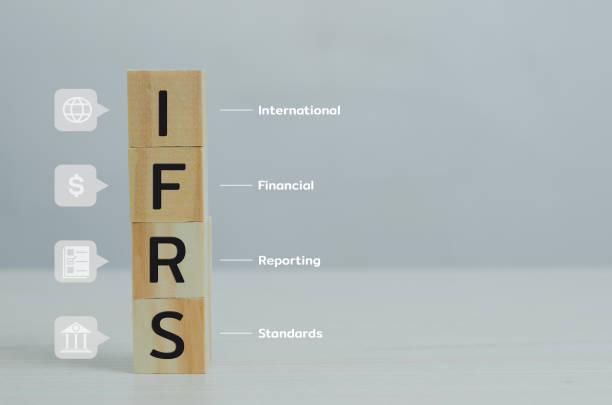
In the pursuit of economic diversification and global financial integration, the Kingdom of Saudi Arabia (KSA) stands at the crossroads of aligning its financial reporting standards with the International Financial Reporting Standards (IFRS). This article delves into the intricate process of transitioning to IFRS in the KSA, exploring the legal framework, implications, and the strategic alignment of IFRS adoption with the Kingdom’s ambitious development plans. As outlined in Vision 2030, Saudi Arabia envisions a future beyond oil dependency, focusing on a diversified economy, innovation, and global competitiveness. This ambitious roadmap necessitates a robust financial reporting framework that aligns with international standards, enhancing transparency, attracting foreign investment, and facilitating economic growth. The legal foundation for adopting IFRS in Saudi Arabia is laid out in the Capital Market Authority’s (CMA) resolution issued in 2017. This resolution mandates all listed companies in the Saudi Stock Exchange (Tadawul) to prepare their financial statements in accordance with IFRS starting from the financial year beginning on or after January 1, 2017. The adoption of IFRS reflects a commitment to harmonizing financial reporting practices with global standards, bringing about greater consistency and comparability. The shift to IFRS has profound implications for financial reporting in the KSA. It requires companies to adhere to a set of principles-based standards that are often more comprehensive and detailed than the existing Saudi Arabian Generally Accepted Accounting Principles (SA GAAP). The transition demands not only a change in accounting practices but also adjustments in internal controls, information systems, and staff training to ensure a smooth and accurate adoption of IFRS. IFRS adoption is a catalyst for enhancing transparency and comparability in financial reporting. By aligning with global standards, financial statements of Saudi Arabian companies become more accessible and understandable to international investors and stakeholders. This transparency fosters confidence in the financial markets, attracting foreign investment and supporting the Kingdom’s broader economic development plans. The transition to IFRS is not without challenges. Saudi Arabian companies encounter complexities in interpreting and implementing the new standards, necessitating significant efforts in training and capacity building. Additionally, differences between IFRS and the existing SA GAAP may pose challenges in reconciling financial data. However, these challenges present opportunities for knowledge enhancement, process improvement, and alignment with best global practices. IFRS adoption aligns strategically with the goals of Vision 2030. The emphasis on transparency, accountability, and global integration resonates with the principles embedded in IFRS. By adopting a globally recognized financial reporting framework, Saudi Arabia positions itself as an attractive destination for international investment and reinforces its commitment to best practices in corporate governance and financial disclosure. One of the primary benefits of IFRS adoption is the positive impact on investor confidence. International investors, accustomed to IFRS, can now make informed investment decisions based on standardized and comparable financial information. The alignment of financial reporting practices with global standards enhances the credibility of Saudi Arabian companies in the eyes of the international investment community, potentially attracting a more diverse investor base. To ensure a smooth transition and continued adherence to IFRS, regulatory bodies in Saudi Arabia play a crucial role. The CMA, in collaboration with other relevant authorities, must provide clear guidance, conduct regular reviews, and enforce compliance with IFRS standards. This proactive regulatory approach safeguards the integrity of financial reporting and instill confidence in the reliability of financial information presented by Saudi Arabian companies. Recognizing the challenges posed by IFRS adoption, investing in capacity building and training initiatives becomes imperative. Companies, regulatory bodies, and educational institutions in the KSA should collaborate to provide comprehensive training programs, workshops, and resources to equip finance professionals with the knowledge and skills necessary for successful IFRS implementation. The adoption of IFRS is not just a manual process; it involves leveraging technology to streamline financial reporting. Integrated financial systems, data analytics, and advanced accounting software can enhance the accuracy and efficiency of IFRS adoption. Investing in technology ensures that the transition is not only compliant but also aligned with modern best practices in financial reporting. As Saudi Arabia charts its course towards a diversified and globally competitive economy, the adoption of IFRS stands as a pivotal step in the journey from vision to reality. The legal framework, implications for financial reporting, strategic alignment with Vision 2030, impact on investor confidence, regulatory compliance, capacity building, and the role of technology collectively contribute to the successful transition to IFRS in the Kingdom. By embracing global financial reporting standards, Saudi Arabia not only opens its doors to international investment but also reinforces its commitment to transparency, accountability, and excellence in financial reporting—key pillars in achieving the ambitious goals of Vision 2030.The Economic Landscape of Saudi Arabia:
Legal Framework for IFRS Adoption:
Implications for Financial Reporting:
Enhancing Transparency and Comparability:
Challenges and Opportunities in Transition:
Strategic Alignment with Vision 2030:
Impact on Investor Confidence and Capital Markets:
Ensuring Regulatory Compliance and Enforcement:
Capacity Building and Training Initiatives:
The Role of Technology in IFRS Adoption:
Conclusion:
From Vision to Reality: Aligning IFRS Adoption with Saudi Arabia’s Ambitious Development Plans
 Finance Advisory