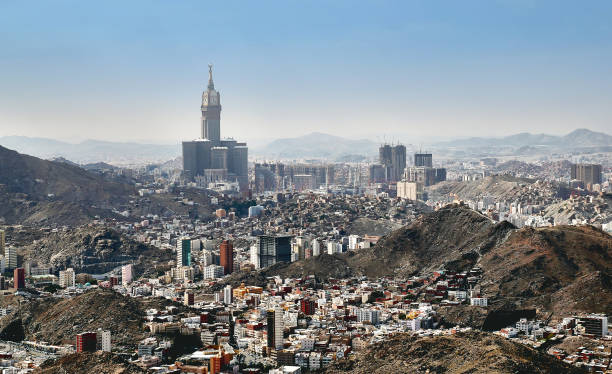
In the Kingdom of Saudi Arabia, a remarkable 78 percent of Vision 2030 projects begin with comprehensive feasibility studies, often prepared by professional feasibility study consultants with global experience and local insight. This trend reflects a deeper strategic shift in Saudi public and private sector practices toward data-driven decision making, risk mitigation, and sustainable investment outcomes. With Vision 2030 initiatives now exceeding 1500 specific programs of which around 596 are on track for completion before 2030 and 674 have already been completed the role of rigorous planning has never been more critical.
The unprecedented scale of Vision 2030 means that government institutions and investors are increasingly recognizing that starting projects without detailed feasibility analysis can lead to cost overruns, design challenges, compliance issues, and long delays. Whether the initiative involves urban redevelopment, tourism transformation, renewable energy infrastructure, transport networks, or cultural projects, feasibility studies provide the blueprint that guides financial modeling, operational planning, regulatory alignment, and stakeholder coordination. Professional feasibility study consultants ensure that each project’s scope, projected returns, resource requirements, and inherent risks are well-understood before contracts are awarded or capital mobilized.
Vision 2030 and the Scale of Development
Vision 2030 represents a comprehensive blueprint to transform Saudi Arabia’s economy, broaden the non-oil sector, and position the Kingdom as a global investment and tourism hub. In quantitative terms, Vision 2030 has already exceeded many expectations. According to the latest official progress report:
- 85 percent of Vision 2030 initiatives are either completed or on track.
- 93 percent of Vision 2030 indicators have either met or exceeded annual targets.
- 257 indicators exceeded their annual goals, and 18 achieved targets ahead of schedule.
Alongside these macro indicators, the scale of physical investment is staggering. For example:
- 17 giga projects in western Saudi Arabia have collectively drawn US$ 431.3 billion in announced investment and represent a transformative coastal development corridor.
- Projects under construction already have more than US$ 57 billion in contracts awarded, with another US$ 187.2 billion in the pipeline.
- NEOM and its sub-projects have over US$ 24 billion in executed contracts, including major allocations for Magna, Trojena, The Line, and Oxagon.
This infrastructure boom ranges from luxury tourism destinations like Diriyah to urban revitalization in Jeddah and Riyadh, industrial innovation hubs like SPARK, and renewable energy expansions with projected capacities measured in gigawatts and billions of riyals.
The Central Role of Feasibility Studies in Vision 2030
Feasibility studies are no longer optional planning documents; for Vision 2030 they are strategic cornerstones that determine whether a project progresses, how it is financed, and whether it attracts sustainable long-term investment. The fact that 78 percent of Vision 2030 projects begin with feasibility studies is not coincidental, but the result of structured governance reforms, international financial standards expectations, and the Kingdom’s desire to optimize outcomes.
Risk Mitigation and Financial Planning
Large infrastructure and economic diversification projects carry significant financial risk. Feasibility studies develop rigorous financial models, including projections of cash flow, break-even timelines, net present value (NPV), and internal rates of return (IRR). This quantitative foundation informs critical decisions by project owners and financiers. When properly prepared by expert feasibility study consultants, these studies provide transparency that attracts both local capital and international institutional investors.
Without this level of planning, projects risk underestimating operating costs, overestimating future demand, facing regulatory hurdles, or failing to meet lender conditions, all issues that can delay completion or increase project costs by significant percentages.
Market Demand and Strategic Fit
Feasibility analyses include in-depth market research and demand forecasting, which are essential in sectors where consumer behavior and global competition dictate success. For example, the Red Sea Project is expected to attract one million visitors annually by 2030 and contribute meaningfully to tourism GDP growth. Without reliable estimates of market demand, investment decisions for resorts, luxury retreats, conference venues, and hospitality infrastructure could lead to underutilized assets and lost revenue opportunities.
By contrast, studies help project sponsors understand the competitive landscape, customer segmentation, tourism trends, and regional economic multipliers.
Regulatory and Environmental Compliance
Saudi Arabia’s regulatory environment has modernized significantly under Vision 2030. Feasibility studies assess compliance with zoning laws, environmental protections, renewable energy targets, and local community impact. For instance, large coastal and ecological developments must demonstrate environmental viability, ensuring they meet conservation goals while enabling economic diversification a balance that feasibility analyses help articulate.
Case Examples That Show the Value of Feasibility Work
Examining specific Vision 2030 projects helps illustrate why early feasibility assessment is essential.
NEOM and The Line
The NEOM project and its linear city, The Line, originally envisioned as a 170-kilometer development, faced intense scrutiny over financial viability, labor needs, and infrastructure challenges. Initial feasibility analyses were essential in highlighting constraints tied to labor, logistics, and energy supply. Although some elements have been scaled back or reassessed, the initial feasibility frameworks continue to inform adaptive planning.
Jeddah Central
Jeddah Central is a US$ 20 billion mixed-use urban development that will contribute approximately US$ 12.5 billion to Saudi GDP and create over 25,000 jobs by 2030. Projects of this magnitude require feasibility studies that account for economic impact, job creation potential, land use optimization, and long-term financial returns.
SPARK and Industrial Development
King Salman Energy Park (SPARK) and other industrial zones integrate renewable energy production with advanced manufacturing. Feasibility studies assess technical capabilities, supply chain readiness, and workforce development all prerequisites to align with Vision 2030’s sustainability and employment goals.
Quantitative Impact of Feasibility in Project Success
Quantitative data shows a clear pattern: projects initiated with detailed feasibility studies are far more likely to secure funding, meet timelines, and achieve economic impact goals.
Investment Attraction and Capital Mobilization
- Projects with robust feasibility frameworks attract diversified financing, including public-private partnerships (PPPs) and foreign direct investment (FDI). In Western Saudi Arabia alone, the Vision 2030 giga-project corridor has secured US$ 57 billion in active contracts, signaling investor confidence driven by transparent documentation and risk analysis.
Job Creation and GDP Contribution
- Vision 2030 megaprojects across the Kingdom are collectively expected to add hundreds of thousands of jobs and contribute significantly to non-oil GDP growth. For example, large tourism destinations like Qiddiya are expected to contribute over US$ 4.5 billion annually and create at least 57,000 jobs by 2030.
Completion Rates and Milestones
- Feasibility-led projects have higher rates of milestone achievement. According to official reporting, approximately 596 initiatives are on track for completion by 2030, and 674 have already been completed or are progressing satisfactorily, highlighting the effectiveness of structured planning approaches.
How Feasibility Study Consultants Drive Vision 2030 Success
Professional feasibility study consultants play a multi-faceted role that encompasses:
Technical Evaluation
They assess site conditions, infrastructure requirements, technology needs, and compliance with international engineering standards. This ensures technical feasibility independent of financial analysis.
Economic Modeling
Consultants develop comprehensive financial projections that include sensitivity scenarios, market elasticity, and long-term revenue forecasts. These models are essential for lenders and investors assessing risk and return.
Strategic Advisory
Beyond data collection, feasibility study consultants provide high-level strategic advice that helps governments and private developers optimize project portfolios, phase investments, and align initiatives with broader Vision 2030 goals such as employment growth, sector diversification, and sustainability targets.
Challenges and Future Outlook
Despite the clear benefits, feasibility study implementation is not without challenges. Some megaprojects have experienced delayed progress or been suspended due to reassessments of technical and financial viability. For example, the futuristic Mukaab structure was paused due to changing economic priorities and viability reassessments. These decisions underscore the essential role that feasibility analysis plays not just at project inception, but as a continuous evaluative tool throughout development lifecycles.
Going forward, the Kingdom is likely to refine its feasibility frameworks further, integrating predictive analytics, real-time market data, and sustainability metrics to ensure that Vision 2030 initiatives remain adaptive, resilient, and economically sound.
The Imperative of Feasibility for Vision 2030
In an era defined by strategic transformation and large-scale economic diversification, 78 percent of Vision 2030 projects in Saudi Arabia begin with feasibility studies for a reason: they significantly enhance the probability of project success, secure investment, and align initiatives with long-term national goals. Whether it is infrastructure megaprojects, tourism ecosystems, technology hubs, or industrial parks, feasibility provides the analytical backbone that transforms bold ideas into reality.
As the Kingdom continues to advance toward its 2030 targets with hundreds of initiatives already meeting or exceeding expectations the strategic value of engaging expert feasibility study consultants will only grow. Their expertise ensures that Vision 2030 not only dreams big but delivers measurable, sustainable results that shape the future of Saudi Arabia and set new global benchmarks in responsible development.
 Finance Advisory