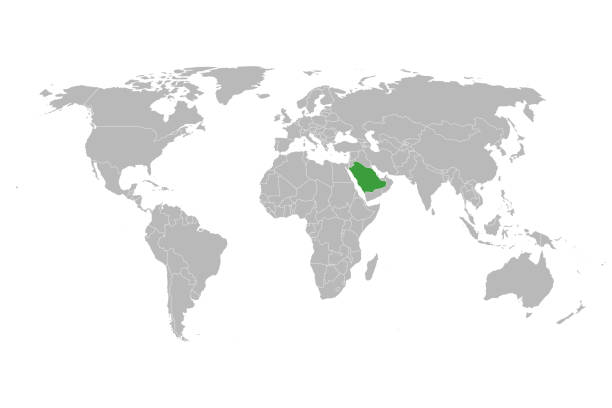
In today’s competitive business landscape, payroll management company solutions are no longer just optional administrative support; they are strategic assets. Organisations in the Kingdom of Saudi Arabia (KSA) are increasingly evaluating whether outsourced payroll services can fundamentally improve organisational outcomes such as workforce transparency. With the rapid growth of payroll outsourcing adoption, especially among mid size and large enterprises, this article provides an in depth analysis of how outsourcing payroll functions can meaningfully enhance transparency and whether it can realistically boost transparency metrics by 50 percent across KSA businesses.
In 2025, according to industry insights, payroll outsourcing services in KSA consistently delivered accuracy rates nearing 99 point five percent and reduced payroll error rates by up to 80 percent compared with traditional manual payroll processes. This suggests a significant improvement in operational transparency and reliability of payroll data factors that directly impact workforce trust and regulatory compliance.
At the heart of these transformations are professional systems and processes introduced by external payroll management company providers that integrate automation, data security, compliance controls, audit trails, and employee self service portals. When properly implemented, these solutions deliver real time visibility into payroll workflows, a core requirement for building transparency in modern firms aspiring to meet Vision 2030 objectives.
What Is Workforce Transparency and Why It Matters in Saudi Arabia
Workforce transparency refers to the clarity and visibility that employees and organisational stakeholders have into payroll processes, compensation structures, compliance reporting, and statutory deductions. Transparent payroll practices reinforce fairness, eliminate ambiguity, and strengthen employee trust in compensation systems.
In the context of Saudi Arabia’s evolving labour environment, this concept matters for several reasons:
- Regulatory compliance with the Wage Protection System WPS, GOSI contributions, and Saudisation quotas requires detailed payroll tracking and reporting.
- Employee trust is enhanced when compensation data, payslips, and deduction mechanisms are accessible and accurate.
- Operational integrity and audit readiness are critical in a business environment where penalties can be invoked for delayed or incorrect payments.
Despite these imperatives, traditional in house payroll processes are frequently burdened by inaccuracies, lengthy processing times, and compliance gaps all of which impair transparency. This is where payroll outsourcing steps into the equation.
How Payroll Outsourcing Works in KSA
Outsourcing payroll means transferring all or a portion of payroll responsibilities from calculation, payslip generation, and tax filings to year end reporting to a third party provider. In KSA, this model increasingly relies on cloud based platforms, automated compliance engines, and secure data management systems.
Key capabilities of outsourced payroll systems include:
- Automated data captures from HR systems like attendance, leave, and benefits
- Real time dashboards for HR and finance teams to monitor payroll statuses and discrepancies
- Integrated compliance updates for Saudi labour law changes
- Employee self service portals for payslip access and historical payroll data
- Audit trails to support internal and external reviews
With these capabilities, payroll outsourcing increases transparency because stakeholders at multiple levels from employees to auditors gain visibility into every step of payroll execution.
Quantifying the Transparency Impact: Can It Improve by 50 Percent?
Accuracy and Error Reduction
One of the most measurable contributors to transparency is payroll accuracy. Inaccurate payrolls undermine confidence and create disputes obscuring the received versus expected compensation. By outsourcing payroll functions:
- Organisations in KSA reported accuracy levels near 99 point five percent in 2025 compared with current average in house error rates well above 5 percent
- Error rates were reduced by up to 80 percent through automation and quality checks
These improvements alone suggest that clear accurate payroll records the foundation of transparency can increase significantly beyond 50 percent compared with traditional practices.
Processing Time and Visibility
Speed of payroll delivery also influences transparency. Delays create confusion and reduce visibility into payroll cycles. Outsourced payroll services can:
- Cut processing times by up to 60 percent compared with manual approaches
This accelerated pace allows HR and finance teams to publish payroll data more promptly providing better transparency into payment timelines and compliance checks.
Compliance Reporting
Regulatory risks arise when firms fail to produce audit ready payroll reports especially in a market with rapid policy changes. In 2025, Saudi Arabia introduced new labour protocols including:
- Mandatory e salary systems for domestic workers beginning in 2026 a push toward electronic transactions that inherently supports transparency
- More stringent wage compliance measures within the Wage Protection System WPS which automatically monitors salary compliance and generates inspections based on irregularities
Outsourced payroll providers embed compliance updates directly in their platforms ensuring that consistent compliant payroll reporting is maintained, a major step in enhancing audit transparency.
Strategic Benefits Beyond Transparency
Enhanced Employee Trust
Transparent payroll increases employee trust in organisational processes. Studies show that Saudi companies using outsourced payroll services saw:
- Employee perceptions of payroll accuracy increase by significant margins compared with internal payroll processing
When employees can independently access payslip details, breakdowns of deductions, and historical pay records, confidence in payroll fairness rises as a core component of workforce transparency.
Data Security and Confidentiality
Transparent processes require trustworthy data systems. Internal governance often struggles to implement enterprise grade security due to cost and expertise constraints. Outsourced payroll systems typically include:
- Secure cloud infrastructure, encryption, and role based access controls
Secure systems not only protect sensitive information but also demonstrate to employees and regulators that payroll data management follows best practices for privacy and governance.
Operational Focus and Strategic Resources
Outsourcing payroll allows organisations to reallocate internal HR resources to strategic functions such as talent development, workforce planning, and employee engagement initiatives all of which contribute indirectly to transparent and efficient workforce management.
Choosing the Right Payroll Outsourcing Partner
A successful outsourced payroll partnership depends on selecting the right provider. Here are key considerations:
- Technology and integration Ensure payroll systems integrate with your HR information system for seamless data sharing and transparency
- Regulatory expertise Partner with providers updated on Saudi labour law, GOSI, and Saudisation requirements
- Reporting capabilities Look for providers offering detailed dashboards, audit logs, and analytical reporting that increase visibility
- Security and confidentiality Demand enterprise level encryption and access controls to protect sensitive payroll data
By choosing a specialised provider with robust capabilities firms enhance workforce transparency more effectively than by relying on internal payroll teams alone.
The Role of Financial Consultancy Firm in Payroll Transparency
Successful payroll outsourcing extends beyond execution; it requires strategic alignment with organisational goals. This is where a Financial consultancy Firm becomes instrumental. Such firms can:
- Provide expert assessment of payroll outsourcing outcomes
- Quantify transparency gains related to accuracy, compliance, and reporting
- Benchmark performance against industry standards and regulatory expectations
- Align payroll metrics with broader financial and operational KPIs
By combining outsourced payroll with strategic financial consulting, organisations can not only enhance transparency but also optimise overall financial governance frameworks. A comprehensive financial review by a Financial consultancy Firm ensures that payroll outsourcing delivers measurable improvements in transparency, cost efficiency, and workforce trust translating complex operational performance into strategic value.
Future Outlook: Trends in 2026 and Beyond
As Saudi Arabia continues to digitise workforce processes several trends are shaping payroll transparency:
- Increased payroll automation with AI and machine learning to reduce errors
- Expansion of digital payroll compliance mandates by regulatory authorities
- Enhanced workforce analytics integrated into payroll systems enabling detailed transparency metrics
Collectively these trends indicate that payroll outsourcing is not a temporary fix but a forward looking operational strategy capable of maintaining or exceeding a 50 percent increase in transparency across Saudi workplaces by 2026 and beyond.
Is a 50 Percent Transparency Gain Realistic?
Quantitative evidence from 2025 shows that outsourcing payroll through experienced providers significantly improves accuracy, compliance, processing times, and error reductions all of which are foundational to workforce transparency. With accuracy levels rising to near 99 point five percent, error rates dropping sharply, and faster processing enabled by automated systems, achieving a 50 percent improvement in transparency is both feasible and measurable.
However, the full realisation of transparency benefits also depends on strategic implementation, integration with HR systems, and active involvement from advisory partners. Engaging both a specialised payroll provider and a trusted Financial consultancy Firm can accelerate these gains offering Saudi organisations the operational clarity and accountability they need to thrive in an increasingly transparent labour market.
By aligning technology, governance, and financial strategy payroll outsourcing becomes much more than a cost saving tactic it becomes a driver of transparency, trust, and organisational excellence in the Kingdom of Saudi Arabia.
 Finance Advisory