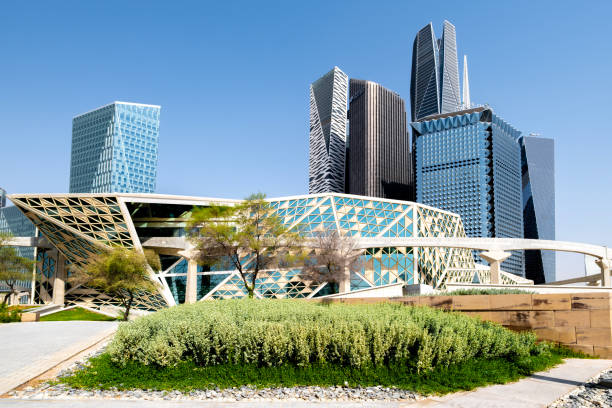
In 2026, the Kingdom of Saudi Arabia (KSA) emerged as one of the most attractive real estate investment destinations in the Middle East and globally. A combination of visionary economic reforms, groundbreaking infrastructural initiatives, regulatory clarity, robust demographic demand and growing foreign participation is reshaping the Saudi real estate landscape rapidly. As investors evaluate their global portfolio strategies, many are turning their attention to the dynamic property markets of Riyadh, Jeddah, the Red Sea region and emerging urban corridors. Central to navigating this complex environment are expert insights from a seasoned real estate consultant who can identify value drivers, quantify risks, and align investor expectations with the Kingdom’s rapidly accelerating market movements.
One of the driving forces behind this surge of interest is Saudi Arabia’s ongoing transition under Vision 2030, the ambitious roadmap for economic diversification away from hydrocarbon dependence. Vision 2030 has catalysed massive infrastructure spending, with more than USD 1 trillion allocated for infrastructure transformation, fuelling new urban development and real estate demand throughout key sectors. Analyses by global consulting firms highlight a projected real estate market growth of over 30 percent by 2025, with sustainability-focused assets unlocking an estimated USD 38 billion in new investment opportunities. Structural reforms have reinforced investor confidence, including enhanced property ownership frameworks and financial instruments designed to attract both domestic and international capital. Guidance from an experienced real estate consultant is vital as these reforms evolve, helping investors interpret the nuances of policy changes and market signals effectively.
Macro Trends Driving Investor Focus
The macroeconomic backdrop of Saudi Arabia has laid a fertile foundation for real estate investment demand. The Kingdom’s population continues to grow, with robust urbanisation trends increasing demand for residential, commercial and mixed-use properties in major cities. According to recent market data, the Saudi residential real estate market is forecast to reach an estimated USD 164.85 billion in 2026, up from an estimated USD 154.61 billion in 2025, reflecting continued expansion across major metropolitan areas.
Residential transactions have also shown resilience and upward momentum. In the first half of 2025 alone, the number of residential real estate deals reached approximately 93,700 transactions, totalling about SAR 77.5 billion in value. Residential prices rose by approximately 4.3 percent in the first quarter of 2025 compared to the same period in 2024, with some urban markets seeing strong price appreciation driven by demand outpacing supply.
In parallel, the logistics and industrial segments are attracting significant investment interest. Market analysis projects that the value of the KSA logistics and warehousing market is expected to exceed SAR 48.5 billion by 2026, growing at a compound annual growth rate of over nine percent, signalling strong confidence in supply chain and e-commerce related real estate assets.
Another structural trend is the rapid expansion of data centre infrastructure, driven by digital transformation and cloud adoption across the region. The data centre market is expected to surpass SAR 5.8 billion by 2026 with a CAGR of nearly fifteen percent, making it one of the fastest-growing real estate subsectors.
Regulatory and Policy Enhancements
Policy reforms have played an instrumental role in enhancing the appeal of the Saudi real estate market to global capital. In 2026, Saudi Arabia implemented a significant legal framework that allows foreign investors to own residential, commercial, industrial and, in selected areas, agricultural properties outright, a major shift that broadens the addressable investor base and creates new international interest.
This liberalisation, coupled with reforms such as the expansion of white land tax zones and incentives to unlock underutilised lands for development, encourages balanced urban expansion while discouraging speculative hoarding. These regulatory changes help improve transparency and supply responsiveness, making the market more predictable and stable for long-term investors.
Foreign direct investment (FDI) into the real estate sector has also surged significantly. Reports indicate that FDI into Saudi real estate reached SAR 42.5 billion in 2025, with expectations that it will rise to SAR 58 billion by 2026. This broad influx of global capital not only reflects enhanced confidence in the Saudi market but also fuels job creation, construction activity and technology adoption across the sector.
Demand Dynamics and Rental Market Trends
Investor focus on KSA’s real estate market is also propelled by improving yield dynamics. Rental yields in prime residential markets averaged around 6.8 percent in 2025 and are expected to increase to approximately 7.2 percent in 2026. Higher rental returns underscore strong demand from expatriates, young professionals and mobile talent attracted by job growth in new economic sectors.
The commercial property segment, particularly logistics and warehousing, is also experiencing yield expansion due to the e-commerce boom and industrial diversification, creating opportunities for investors seeking income-generating assets.
Strategic Urban and Mega Project Developments
Saudi Arabia’s giga-projects have become focal points for both economic activity and real estate development. Projects such as NEOM, The Red Sea Project, Diriyah Gate and other integrated urban hubs are transforming the real estate value chain across the Kingdom. NEOM alone is projected to contribute around SAR 180 billion to the national GDP by 2030, while the surrounding regions are witnessing new demand for both temporary workforce housing and premium residential options.
Such mega projects create elevated commercial prospects, accelerate infrastructure buildout, and expand new real estate sub-markets within regional urban ecosystems. Investors looking to capitalize on these trends are advised to work with a knowledgeable real estate consultant to understand the intricate local development timelines, zoning laws, and project valuation implications.
Technological Transformation and Proptech Innovation
The adoption of technology within the Saudi real estate sector is reshaping market operations and investor decision-making. Investments in Proptech and digital platforms are expected to grow by more than 200 percent by 2026, enabling data-driven insights, enhanced market transparency, and improved transaction efficiency.
Digital tools such as blockchain-based title registries, AI-driven market analytics and smart building systems are not only enhancing the investor experience but also enabling more precise risk assessments and valuation modelling. These technological shifts are attracting sophisticated global capital that demands higher standards of transparency and performance metrics.
Challenges and Risk Considerations
While the Saudi real estate market presents compelling opportunities, investors should be mindful of certain risk factors. Affordability remains a concern in high-demand corridors, prompting policy interventions such as rent freezes to stabilise residential markets in Riyadh. These measures aim to balance growth with social stability but can influence rental income expectations and tenant mobility.
Moreover, the pace of construction delivery and infrastructure rollouts can vary, requiring investors to manage timing risk carefully. Market participants who fail to account for implementation delays, regulatory adjustments or site-specific conditions may experience unexpected capital or operational pressures. Working with an experienced real estate consultant mitigates such risks and enhances decision frameworks across acquisition, financing and exit strategies.
In conclusion, the Kingdom of Saudi Arabia’s real estate market in 2026 stands at a strategic inflection point that combines robust growth dynamics, policy liberalisation, demographic demand and technological transformation. These trends are compelling a diverse range of investors from long-term institutional capital to private equity and global family offices to prioritise Saudi real estate as a core allocation within their diversified portfolios.
The interplay between Vision 2030’s transformative goals, improved regulatory clarity, rising rental yields and expanding foreign participation underpins a compelling investment narrative. However, navigating this opportunity requires deep market knowledge, regulatory understanding and strategic risk assessment. For investors seeking to capitalise on these compelling trends, partnering with a trusted real estate consultant remains a critical success factor in aligning investment goals with evolving market realities.
 Finance Advisory