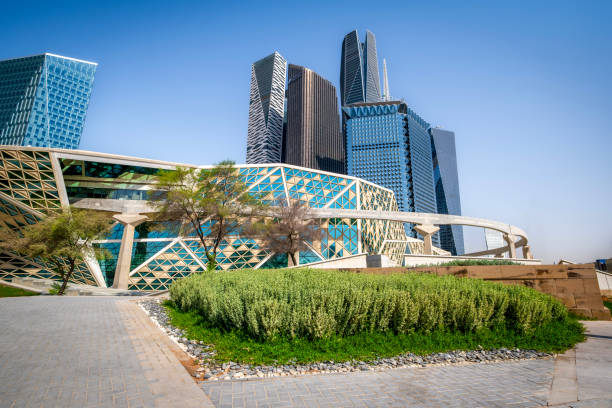
In 2025 and 2026, the Kingdom of Saudi Arabia (KSA) is transforming its real estate landscape at an unprecedented pace. Backed by Vision 2030’s economic diversification agenda, regulatory reform, liberalization, and major urban development projects, this market has become one of the fastest‑growing property economies globally. For investors, developers, and stakeholders, understanding the emerging real estate advisory Services trends driving this growth is essential to gaining competitive advantage and maximizing returns.
Macro Market Overview and Strategic Growth Drivers
Saudi Arabia’s real estate market continues to expand on multiple fronts. Reports indicate that the residential real estate market is projected to reach an estimated USD 164 billion in 2026, up from around USD 155 billion in 2025, reflecting sustained demand and robust investment inflows. Local and institutional buyers remain active across all residential segments, while off‑plan commitments and rental units grow in prominence.
Population growth and urbanization remain key catalysts. With urbanization expected to surpass 85 percent by 2030 and ongoing housing initiatives like the Sakani program, developers are responding to high demand for family housing, mixed‑use townships, and integrated community projects. Residential prices in major cities such as Riyadh and Jeddah are forecast to appreciate at an average annual rate of six to eight percent through 2026.
The commercial real estate sector is also expanding. Office space absorption in prime Riyadh locations is expected to grow by nine percent annually in 2025 and 2026, reflecting inbound multinational firms and regional corporate relocations. Retail and logistics spaces are benefiting from rapidly changing consumer behaviors and supply chain modernization, with warehouse and logistics demand growing by double‑digit rates in 2025.
Regulatory Reforms and Market Liberalization
One of the most notable shifts in 2026 is Saudi Arabia’s reform on property ownership. Effective January 2026, a new legal framework permits foreign individuals and entities to own property in designated zones throughout the Kingdom. This policy is set to unlock new capital flows into residential, commercial, and industrial real estate, and further integrate Saudi markets into global investment networks.
Such liberalization enhances investor confidence and elevates KSA as a destination for diversified real estate portfolios. Developers must now consider increased foreign participation, adjusting their project design, price points, and marketing strategies to attract both domestic and international buyers.
At the same time, government regulations aimed at enhancing transparency, such as digital escrow systems, unified property databases, and strengthened enforcement mechanisms, are improving transactional confidence and reducing market friction. These reforms form a context where sophisticated real estate advisory Services become indispensable for navigating policy complexities and capturing value early.
Technology and Smart Platforms Redefining Market Dynamics
Digital transformation is reshaping how real estate is marketed, valued, and transacted in the Kingdom. Proptech innovations including AI‑enabled property valuation tools, big data analytics, blockchain‑based title registries, and immersive online property tours are driving transparency and efficiency. Developers embracing these technologies are gaining measurable advantages in project planning, pricing precision, and customer engagement.
Beyond tech adoption, data analytics plays a critical role in identifying micro‑market trends, estimating absorption rates, and optimizing portfolio strategies. Developers increasingly partner with analytics firms and technology platforms to forecast demand in specific urban districts, adjust supply timing, and tailor amenities to evolving buyer preferences.
Urban Development, Population Shifts, and Demand Patterns
Saudi cities are experiencing demographic shifts that redefine demand. The delivery pipeline is rapidly expanding: Riyadh reportedly delivered around 16,000 new housing units in 2025, with approximately 57,000 more scheduled for handover in 2026 and 2027. This scale of delivery reflects both the population’s organic growth and the strategic emphasis on urban densification.
Master‑planned communities are increasingly preferred by buyers due to integrated infrastructure, lifestyle‑oriented amenities, and enhanced security. Expatriate populations and professionals migrating for employment are fueling demand for mid‑range apartments and townhomes, while high‑net‑worth individuals are driving growth in premium gated communities.
Affordability and Market Risks
Despite the positive trajectory, affordability remains a challenge. Property price indices in Q1 2025 showed an increase in residential land prices by over five percent and villa prices by more than ten percent year‑on‑year, particularly in Riyadh. Continued supply constraints could sustain price momentum, especially in central and well‑connected districts.
In response, the Saudi government has implemented measures such as land taxation and rent stabilization policies to mitigate speculative pressures and improve housing affordability. Notably, a five‑year rent freeze in Riyadh was enacted to curb runaway rental costs following rapid price escalations.
Investors and developers must therefore calibrate risk models carefully, balancing growth expectations with affordability dynamics, cost escalations related to construction inputs, and potential oversupply in select sub‑markets.
Sustainable and ESG‑Oriented Development Trends
Sustainability is emerging as a core differentiator in real estate strategies. By 2026, it’s estimated that over 35 percent of new large‑scale developments in major Saudi cities will be designed to meet specific Environmental, Social, and Governance (ESG) criteria. Developers that embed sustainability principles into project planning are gaining access to favorable financial instruments, green financing opportunities, and wider investor pools.
Green building certifications, energy‑efficient systems, and climate‑resilient infrastructure are becoming expectations rather than optional features. These trends not only align with global best practices but also attract long‑term institutional capital that mandates ESG compliance as part of its investment criteria.
Strategic Imperatives for Developers
For developers operating in KSA’s dynamic real estate landscape, the biggest competitive advantage lies in deep, actionable insights that align with market demand and regulatory realities. A strategic focus on data‑driven planning, flexible pricing mechanisms, and integrated community designs will position projects for success.
Partnering with expert real estate advisory Services helps development firms interpret macroeconomic indicators, optimize land use strategies, and time their project launches in alignment with buyer sentiment and capital market trends.
Moreover, leveraging advisory partnerships enables developers to anticipate shifts in foreign investment flows, manage compliance with evolving ownership laws, and capitalize on public‑private partnership opportunities in giga‑projects.
The Future of Saudi Real Estate
The Saudi real estate market in 2025 and early 2026 is defined by unprecedented growth, regulatory transformation, and evolving demand dynamics. Annual transaction volumes and market sizes continue to climb, fueled by population growth, economic diversification, and policy both attracting international capital and protecting domestic affordability.
Developers must prioritize adaptability, data intelligence, and market foresight to succeed in this environment. Engaging specialized real estate advisory Services ensures strategic risk mitigation, optimized portfolio deployment, and alignment with Saudi Arabia’s long‑term development vision.
As this sector moves toward maturity and global integration, the insights and strategies adopted today will define the competitive landscape of tomorrow. Securement of expert guidance through holistic advisory frameworks remains a key differentiator for developers seeking to excel in the Kingdom’s rapidly evolving real estate market.
 Finance Advisory