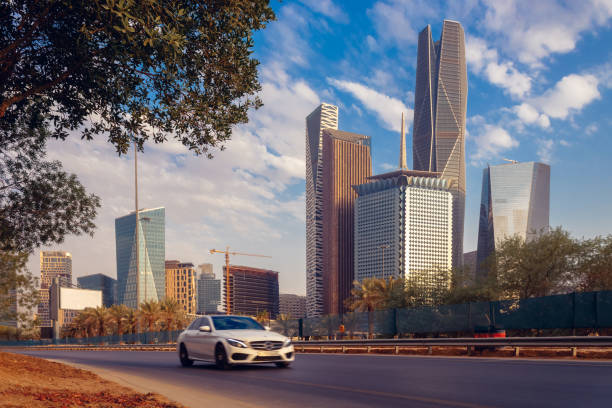
The Kingdom of Saudi Arabia’s real estate landscape is undergoing an unprecedented transformation that is reshaping property valuations and driving investor interest across residential, commercial, and mixed-use sectors. As market dynamics evolve through 2025 into 2026, quantitative data and structural reforms reveal robust opportunities and challenges that every investor, developer, and real estate consultant must understand. The interplay of demographic shifts, technology adoption, foreign direct investment flows, and regulatory reforms are collectively redefining how property value is assessed and traded in the Kingdom.
In 2025 the Saudi Arabian real estate market continued its upward trajectory with residential sales reaching SAR 118 billion, an approximate 50 percent increase compared to 2023, according to a leading professional services firm’s predictions. This surge underscores both the strong demand for homes in metropolitan areas and the increasing liquidity within the market. Moreover, the overall market size was estimated at USD 77.2 billion in 2025 with forecasts pointing to long-term expansion through the end of this decade.
Vision 2030 and the Structural Impact on Property Valuation
Saudi Arabia’s Vision 2030 remains a core pillar influencing property valuation trends. Ambitious economic diversification and giga-project developments such as NEOM, The Red Sea Project, Diriyah Gate, and other urban hubs are transforming land use patterns and creating substantial valuation premiums for properties in proximity to these initiatives. These projects not only attract global capital but also anchor long-term urban growth and employment clusters.
In addition to infrastructure, regulatory changes aimed at increasing foreign investor participation are expected to influence valuation frameworks. Starting January 2026, formal structures permitting foreigners to purchase property in designated zones are expected to broaden demand and intensify competition for prime assets. This structural liberalization has the potential to elevate valuation multiples for strategic locations as international capital seeks entry into the Kingdom’s real estate ecosystem.
For investors and developers navigating this evolving environment, engaging a seasoned real estate consultant with deep local market expertise will be critical. Leveraging professional insights across valuation methodologies, legal frameworks, and future trends can materially enhance investment outcomes.
Demographic and Demand Drivers
Population expansion and demographic composition are fundamental forces shaping property valuations in Saudi Arabia. Government projections indicate the national population will surpass 39 million by 2026, with a majority under the age of 35, translating into sustained housing demand from a growing pool of first-time buyers and young families.
This demographic trend, paired with rising household wealth and greater mortgage availability, has contributed to strong activity across the mid-market and affordable housing segments. Urban centres like Riyadh, Jeddah, and the Dammam Metropolitan Area account for the bulk of transaction volumes. Residential transactions alone are reshaping price indices, driving growth in both land values and built properties.
Evolving Valuation Metrics and Proptech Adoption
Valuation models themselves are evolving as the market matures. Traditional metrics based on comparable sales and replacement costs are increasingly complemented by PropTech-enabled analytics that integrate real-time data, sustainability criteria, and predictive insights. According to forecasts, over 60 percent of commercial real estate valuations in leading Gulf markets like the Kingdom will leverage AI-powered analytical models by 2027, reducing valuation biases by nearly 35 percent.
Technological integration not only enhances accuracy but also accelerates transparency across asset classes. Investors using advanced algorithms or working with a real estate consultant can assess risk, demand patterns, tenant behaviours, and long-term growth potential with greater precision. These tools are reshaping how valuations are determined and how investment decisions are structured.
Sectoral Dynamics: Residential, Commercial and Logistics
Residential Sector
The residential market remains the most active segment of the KSA real estate sector. Deloitte’s 2025 market review highlighted SAR 118 billion in residential sales across major regions, illustrating strong uptake and sustained price growth.
Residential valuations remain supported by demand for both apartment units and single-family homes, particularly in urban hubs. Mid-market and affordable housing demand continues to rise as population growth and employment opportunities expand.
Commercial Real Estate
While residential demand fuels overall momentum, commercial real estate is undergoing valuation recalibrations tied to office occupancy rates, retail consumption patterns, and new hybrid work norms. Research indicates ongoing demand for premium office space in Riyadh, which in Q1 2025 saw rental rate increases of over 21 percent year-on-year, reflecting strong corporate activity and limited premium space supply.
As yield compression occurs in certain commercial segments, investors focused on long-term returns are paying closer attention to active asset management strategies, lease performance optimization, and ESG adoption to support value retention and growth.
Logistics and Industrial Assets
The logistics property market is gaining prominence as trade activity expands and supply chain networks deepen. Facilities located near key transport nodes and industrial zones are commanding valuation premiums due to strong occupancy and rental growth.
Government Policies and Market Stabilization Mechanisms
Policy interventions also play a major role in shaping valuation trends. In response to affordability pressures, especially in Riyadh where rent hikes of 30 to 40 percent had been recorded over recent years, Saudi authorities imposed a five-year rent freeze on vacant properties. This intervention stabilises short-term market conditions and influences investor sentiment across rental-driven assets.
Additionally, land use regulations including the introduction of white land fees in major cities are designed to discourage speculation and encourage productive development. Such fiscal and regulatory strategies affect land values, speculative demand, and long-term valuation expectations.
Investment Flows, Liquidity and Capital Markets
In 2025, liquidity in larger transactions expanded with more assets exceeding significant deal sizes compared to the previous year. Investment volume in transactions above €50 million saw significant growth, reflecting renewed institutional and private investor confidence.
Beyond local capital, foreign direct investment inflows into the real estate sector increased by approximately 16 percent in early 2025 compared to the previous year. While new foreign ownership regulations will usher in structured entry for non-Saudi investors in 2026, the long-term implication is likely to be greater asset price discovery and improved valuation liquidity.
Forecast Outlook and Strategic Implications for 2026
Looking forward into 2026 and beyond, the Kingdom’s real estate market is poised for continued expansion driven by Vision 2030, technological adoption, and regulatory reforms. According to industry research, the residential real estate market alone is projected to reach approximately USD 164.85 billion in 2026, expanding from the 2025 valuation and maintaining robust growth through the early 2030s.
Institutional investors, sovereign funds, and high net worth families are increasingly allocating capital to Saudi property as part of diversification strategies, especially where yield prospects align with macroeconomic stabilization and demographic tailwinds.
In this complex environment, working alongside a seasoned real estate consultant yields strategic advantages. These professionals provide evidence-based guidance on valuation nuances, market timing, regulatory compliance, and investment structuring tailored to long-term wealth creation.
In conclusion, KSA property valuation trends are shaping the investment narrative for 2026 and beyond with a mix of demographic strength, policy reform, technological advancement, and capital inflows. Quantitative market data from 2024 and 2025 reflect strong residential sales, expanding sector size, and growing commercial real estate demand. Regulatory frameworks aimed at stabilising costs and broadening foreign participation are redefining how property is valued and traded. For investors seeking to capitalise on these trends, leveraging expert insights and professional guidance from a real estate consultant will be essential to navigating opportunities and risks as the Kingdom’s real estate market continues its transformational journey into 2026.
 Finance Advisory