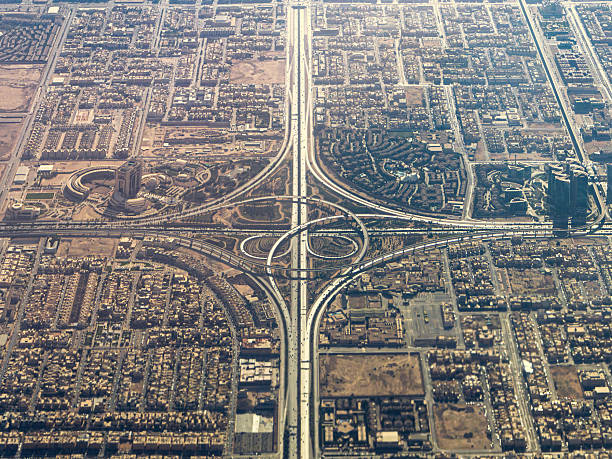
Saudi Arabia is rapidly emerging as one of the most attractive real estate investment destinations in the Middle East. Driven by the ambitious Vision 2030 transformation strategy, the Kingdom is reshaping its property sector through large scale infrastructure projects, housing reforms, and foreign investment incentives. In this evolving environment, the expertise of a real estate investment consultant has become increasingly important for investors seeking high growth portfolios in the Saudi market.
The Kingdom’s property sector has shifted from a traditional domestic market into a global investment opportunity. Institutional investors, private equity funds, and high net worth individuals are actively exploring residential communities, commercial districts, logistics hubs, and tourism driven developments. With the market expanding rapidly and regulations evolving, working with a real estate investment consultant helps investors navigate risks, evaluate opportunities, and structure portfolios that align with long term growth trends.
Saudi Arabia Real Estate Market Momentum
Saudi Arabia’s real estate sector is experiencing sustained growth due to economic diversification and large scale urban development programs. The residential real estate market alone is estimated to reach about USD 164.85 billion in 2026, up from approximately USD 154.61 billion in 2025, reflecting strong demand for housing and property investments.
At a broader level, the entire real estate sector was valued at about USD 77.2 billion in 2025 and is expected to reach around USD 137.8 billion by 2034, supported by urbanization, population growth, and policy reforms.
Several structural factors are driving this expansion.
First, the Vision 2030 housing initiative has significantly boosted homeownership rates. By 2024, the national homeownership level reached about 65.4 percent, surpassing earlier targets and moving toward a long term goal of 70 percent by 2030.
Second, government backed financing programs have improved housing affordability. In 2024 alone, new residential mortgage financing reached SAR 91 billion, allowing more families to access property ownership.
Third, the opening of the property market to foreign buyers beginning in 2026 is expected to introduce new international capital and increase competition among developers.
These developments have created a dynamic investment landscape that requires strategic advisory support.
Why Advisory Services Matter for High Growth Portfolios
Investing in Saudi real estate is no longer limited to buying residential units. Today’s portfolios include mixed use developments, logistics parks, tourism projects, and smart city infrastructure.
However, this diversity also increases complexity. Market cycles vary across cities, asset classes, and regulatory frameworks. Investors who rely on data driven insights and professional advisory support tend to outperform those who rely on speculative decisions.
A structured advisory approach usually includes several critical components.
Market Intelligence and Data Analysis
Real estate investment success depends heavily on accurate market data. Advisors evaluate supply pipelines, population growth, rental demand, and infrastructure development to determine future value appreciation.
For example, new housing launches continue to expand supply. In the first half of 2025, the Saudi government introduced about 26000 off-plan housing units through the Sakani platform to meet growing demand.
Such data allows investors to identify early entry opportunities in rapidly expanding districts before prices reach maturity.
Feasibility and Financial Modeling
Professional advisory services also conduct feasibility studies and financial modeling. These analyses estimate development costs, rental yields, occupancy rates, and long term return on investment.
Investors typically evaluate several scenarios before committing capital. Sensitivity models may analyze how changes in interest rates, demand levels, or construction costs influence project profitability.
High growth portfolios often rely on diversified assets such as residential units, office space, retail developments, and logistics warehouses.
Risk Management and Regulatory Guidance
Saudi Arabia’s property sector is undergoing regulatory transformation. Policies related to land taxation, foreign ownership rules, and housing subsidies are evolving rapidly.
Advisors monitor these regulatory changes and guide investors through compliance requirements. This reduces legal risks and ensures projects align with government development priorities.
Key Growth Segments in the Saudi Property Market
Investors building high growth portfolios in Saudi Arabia often focus on several high potential sectors.
Residential Communities
Residential development remains the largest segment in the Saudi property market. Apartments and condominiums accounted for more than 52 percent of market revenue in 2025 due to urban population growth and land constraints in major cities.
Major urban centers such as Riyadh, Jeddah, and Dammam continue to see strong demand for housing due to employment growth and infrastructure investment.
Government housing programs are also increasing residential supply, with thousands of new units being developed annually.
Commercial Real Estate
Commercial properties including office towers, business parks, and mixed use districts are gaining traction as Saudi Arabia positions itself as a regional business hub.
Economic diversification initiatives are encouraging multinational companies to establish regional headquarters in Riyadh. This shift is boosting demand for Grade A office spaces and integrated business districts.
Office focused sectors experienced around 5.3 percent growth between 2023 and 2024, reflecting expanding corporate activity.
Logistics and Industrial Property
Logistics infrastructure is another rapidly growing segment. Saudi Arabia aims to become a global logistics hub connecting Asia, Europe, and Africa.
Large distribution centers, industrial parks, and warehouse facilities are being developed near key transportation corridors and ports.
As ecommerce and manufacturing sectors expand, logistics real estate offers strong long term rental yields and portfolio diversification.
Tourism and Hospitality Developments
Tourism driven real estate is emerging as a powerful investment category.
Vision 2030 aims to attract millions of international visitors annually through large scale tourism projects such as coastal resorts, cultural districts, and entertainment cities.
Hospitality properties including hotels, serviced apartments, and resort communities are expected to generate strong long term revenue streams as tourism expands.
Geographic Hotspots for Portfolio Growth
Saudi Arabia’s real estate investment landscape is geographically diverse. Different cities offer unique growth opportunities depending on economic drivers.
Riyadh remains the largest property market in the Kingdom, accounting for nearly 40 percent of national residential real estate revenue in 2025.
Jeddah serves as a major commercial and tourism hub with strong demand for residential and hospitality developments.
The Eastern Province including Dammam is gaining attention due to affordability and industrial expansion.
Investors building diversified portfolios often allocate capital across multiple cities to balance risk and capture regional growth trends.
Technology and Data Driven Investment Strategies
Technology is transforming real estate advisory services in Saudi Arabia.
Artificial intelligence tools now analyze thousands of property transactions to identify price trends, rental patterns, and demand shifts. Predictive analytics helps investors forecast future property values more accurately.
Smart city developments are also integrating digital infrastructure such as intelligent transportation systems, sustainable energy solutions, and automated property management.
These innovations are redefining how investors evaluate long term asset performance.
Long Term Outlook for the Saudi Property Market
Saudi Arabia’s real estate market is expected to maintain strong momentum throughout the next decade.
Large scale infrastructure investments, population growth, and economic diversification are creating sustained demand for residential, commercial, and industrial properties.
Government backed initiatives such as Vision 2030 are also improving regulatory transparency and encouraging private sector participation.
For investors seeking long term value creation, Saudi Arabia offers a rare combination of scale, growth potential, and policy support.
However, the complexity of large scale developments and evolving regulations means that professional advisory support remains essential.
As the market continues to expand, the role of a real estate investment consultant will become increasingly central in identifying profitable opportunities and mitigating investment risks.
Strategic guidance enables investors to build diversified portfolios across residential, commercial, logistics, and tourism assets while aligning with national development priorities. In a rapidly transforming market like Saudi Arabia, a skilled real estate investment consultant can help investors unlock sustainable growth and position their portfolios for long term success.
 Finance Advisory