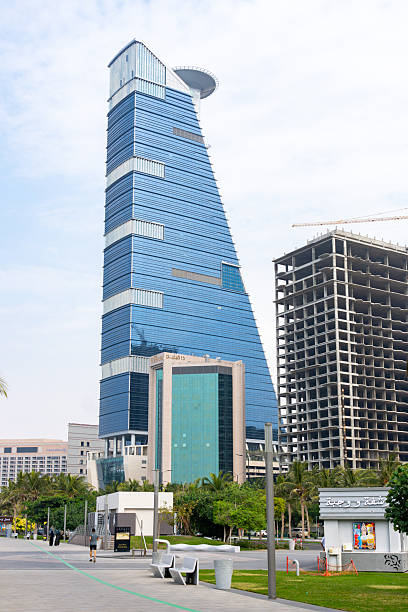
Saudi Arabia’s residential real estate sector is experiencing one of the most dynamic growth cycles in its history. Economic diversification, population growth, urban expansion, and Vision 2030 reforms are reshaping housing demand across major cities. Riyadh, Jeddah, Dammam, and other urban centers are witnessing rising property prices, higher transaction volumes, and expanding housing supply pipelines. Within this rapidly evolving landscape, investors and developers increasingly rely on a real estate investment consultant to interpret market trends and guide strategic decisions.
The Kingdom’s housing market is no longer driven solely by traditional factors such as population expansion. Instead, it is supported by large infrastructure programs, foreign investment reforms, and new lifestyle oriented developments. As a result, demand for residential properties across Saudi cities is surging, reshaping both urban planning and investment opportunities. This transformation is also increasing the importance of professional advisory services. For many investors, working with a real estate investment consultant has become essential to navigating the scale and complexity of the Saudi property market.
Vision 2030 and Housing Transformation
Saudi Arabia’s Vision 2030 strategy aims to diversify the national economy while improving the quality of life for citizens. One of its most ambitious objectives is raising the homeownership rate to seventy percent by 2030. This policy goal has triggered a wide range of initiatives including subsidized housing programs, mortgage reforms, and major public investments in infrastructure and urban development.
These initiatives have stimulated both supply and demand in the housing sector. Government backed developers and private firms are launching large scale residential communities across the Kingdom. Many of these projects combine residential units with retail, education, healthcare, and recreational amenities. The concept of integrated communities is becoming a central pillar of Saudi urban development.
At the same time, regulatory reforms are making the housing market more accessible. New mortgage frameworks and housing subsidies are enabling more citizens to enter the property market for the first time. Combined with rising household incomes and population growth, these reforms are creating a sustained surge in residential demand.
Rising Residential Transactions Across the Kingdom
Recent market data highlights the strength of the Saudi residential sector. During the first half of 2025, the Kingdom recorded approximately 93,700 residential transactions with a total value of about SAR 77.5 billion. Housing accounted for around sixty three percent of all real estate transaction value during that period.
These figures demonstrate the central role of residential real estate in Saudi Arabia’s broader property market. Although transaction volumes fluctuate depending on supply conditions and interest rate cycles, underlying demand remains strong. Developers continue to launch new housing projects to keep pace with population growth and urban migration.
Furthermore, the market is attracting increasing attention from domestic and international investors. The combination of strong demographic fundamentals and government backed infrastructure spending has made Saudi Arabia one of the most promising residential property markets in the Middle East.
Riyadh Leading the Housing Boom
Riyadh stands at the center of Saudi Arabia’s residential demand surge. As the Kingdom’s capital and largest economic hub, the city is attracting professionals, multinational companies, and government institutions. This influx of population and investment has significantly boosted housing demand.
Residential sales values in Riyadh increased by sixty three percent year on year, reaching SAR 65.7 billion during the first half of 2025. Transaction volumes also grew by around ten percent compared with the previous year.
Property prices have followed a similar upward trajectory. Apartment prices in Riyadh rose more than ten percent year on year to reach approximately SAR 6,175 per square meter. Villa prices increased by over eight percent to around SAR 5,470 per square meter.
Infrastructure development is playing a major role in this growth. The launch of the Riyadh Metro has improved connectivity across the city and increased the attractiveness of neighborhoods located along transit corridors. Districts such as Al Yasmin and Hittin have recorded particularly strong price growth due to improved accessibility and new lifestyle amenities.
At the same time, rising rents reflect strong demand for residential units. Annual rental increases in Riyadh have reached double digit levels in recent years as professionals and expatriates relocate to the capital for employment opportunities.
Jeddah Strengthening Its Residential Market
Jeddah, Saudi Arabia’s main port city on the Red Sea, is also experiencing growing residential demand. The city’s strategic location and tourism potential are driving population growth and urban expansion.
During the first half of 2025, residential transaction volumes in Jeddah increased by approximately nineteen percent, while total transaction value rose to around SAR 17.3 billion.
Apartment prices in Jeddah averaged roughly SAR 4,324 per square meter in 2025, reflecting steady growth in central and western districts. Demand is particularly strong in neighborhoods that combine residential living with access to waterfront amenities, shopping areas, and business districts.
Developers are responding to this demand by building master planned communities designed around lifestyle convenience. These developments often include parks, schools, retail outlets, and healthcare facilities, creating self contained urban environments that appeal to families and young professionals alike.
Emerging Growth in Secondary Cities
While Riyadh and Jeddah dominate headlines, secondary cities such as Dammam, Al Khobar, and Madinah are also witnessing rising housing demand. These markets offer relatively affordable property prices while benefiting from regional economic growth.
In Madinah, residential transaction volumes increased by thirty eight percent during the first half of 2025, while total transaction value rose forty nine percent to approximately SAR 3.4 billion.
Demand in these cities is driven by several factors including religious tourism, expanding regional economies, and new infrastructure investments. For example, development projects near religious sites in Madinah are creating new residential districts designed to accommodate both residents and pilgrims.
The Dammam metropolitan area is also attracting interest due to its proximity to major industrial zones and energy sector activities. Affordable housing prices combined with employment opportunities are encouraging population growth and residential investment.
Housing Supply Expansion
To address rising demand, Saudi Arabia is accelerating the delivery of new housing units across major cities. In 2025 alone, more than 8,100 residential units were delivered across Riyadh and Jeddah during the first half of the year. An additional 30,700 units are expected to be completed by the end of the year.
Looking further ahead, more than seventy two thousand new homes are expected to enter the market by 2027 in these two cities alone.
This expansion is essential to maintaining affordability and meeting the Kingdom’s long term housing goals. Despite rising supply, demand continues to outpace new construction in many areas, contributing to price appreciation in prime districts.
Developers are also experimenting with new housing formats including mid rise apartments, gated communities, and mixed use developments. These models reflect changing lifestyle preferences among younger Saudi households who value convenience, connectivity, and access to urban amenities.
Investment Opportunities in the Residential Sector
Saudi Arabia’s residential market offers a wide range of opportunities for investors. From affordable housing developments to luxury villas and waterfront apartments, the diversity of projects reflects the Kingdom’s evolving demographic and economic landscape.
Investors are particularly interested in projects linked to major infrastructure developments such as metro networks, entertainment districts, and tourism initiatives. These projects tend to generate long term value by improving accessibility and enhancing neighborhood attractiveness.
However, navigating this rapidly evolving market requires careful analysis of supply pipelines, regulatory frameworks, and economic indicators. Many investors therefore rely on professional guidance to identify high potential locations and assess project feasibility.
The Role of Advisory Services
As residential demand continues to expand across Saudi cities, the importance of strategic guidance has increased significantly. Market conditions vary widely between cities, neighborhoods, and property types, making informed decision making critical for successful investment.
A real estate investment consultant plays a crucial role in analyzing market data, evaluating development feasibility, and identifying emerging opportunities. By providing detailed market insights and financial analysis, consultants help investors align their strategies with long term urban growth trends.
Advisory services are particularly valuable for international investors who may be unfamiliar with local regulations, property laws, and cultural considerations. With Saudi Arabia gradually opening its real estate market to foreign ownership, professional expertise is becoming an essential component of successful investment strategies.
Future Outlook for Residential Demand
The outlook for Saudi Arabia’s residential market remains highly positive. Population growth, economic diversification, and large scale infrastructure investment are expected to sustain housing demand throughout the coming decade.
Major national initiatives including new economic zones, tourism developments, and global events will continue to attract professionals and international businesses to Saudi cities. These factors will further increase demand for quality residential housing.
At the same time, ongoing housing programs and regulatory reforms will encourage homeownership among Saudi citizens. These policies are designed to ensure that residential growth remains sustainable and accessible.
For investors seeking to participate in this transformation, strategic planning is essential. Partnering with a real estate investment consultant allows stakeholders to evaluate risks, identify growth corridors, and optimize long term returns.
Residential demand across Saudi Arabia’s major cities is clearly on the rise. Strong economic fundamentals, infrastructure expansion, and Vision 2030 reforms are reshaping the Kingdom’s housing landscape. From Riyadh’s booming capital market to the growing coastal city of Jeddah and emerging secondary cities, the residential sector is experiencing unprecedented momentum.
Transaction volumes, property prices, and new housing developments all point toward sustained growth in the coming years. However, the scale and complexity of the Saudi real estate market require careful analysis and strategic decision making.
For investors, developers, and institutions seeking to benefit from this expanding sector, the guidance of a real estate investment consultant can provide critical insight into market dynamics and long term opportunities. As Saudi Arabia continues its urban transformation, residential real estate will remain one of the most powerful drivers of economic development and investment potential across the Kingdom.
 Finance Advisory