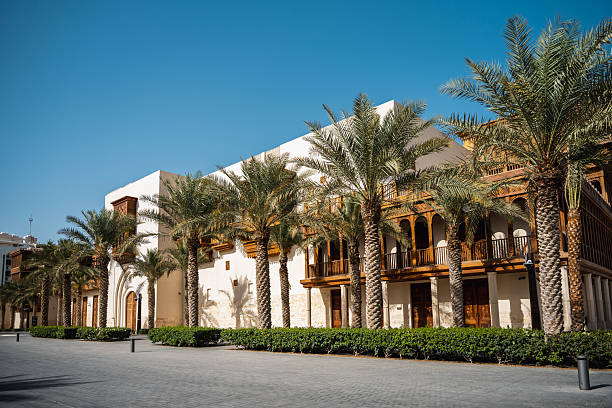
The Kingdom of Saudi Arabia is entering one of the most transformative phases in its property sector. Rapid economic diversification, infrastructure development, and global investor interest are reshaping the Kingdom’s property landscape. As Vision 2030 continues to accelerate development across residential, commercial, tourism, and logistics sectors, demand for professional real estate advisory Services has increased significantly among investors and developers seeking to navigate a rapidly evolving market.
Saudi Arabia’s real estate sector is expanding due to strong population growth, government backed infrastructure projects, and major giga developments across cities such as Riyadh, Jeddah, and NEOM. Market analysts estimate that the Saudi residential real estate market alone will reach approximately USD 164.85 billion in 2026, rising from USD 154.61 billion in 2025. Long term projections show the market reaching more than USD 227 billion by 2031.
These trends suggest that the Kingdom could experience an overall property sector expansion approaching 30 percent across key segments between 2024 and 2026 as supply pipelines, foreign investment, and housing demand converge. For businesses and investors, this transformation is creating strong opportunities that require professional real estate advisory Services to manage investment strategy, compliance, and development planning.
Vision 2030 Driving Real Estate Transformation
Saudi Arabia’s Vision 2030 strategy is the single most important factor influencing the growth of the real estate sector. The government’s long term goal is to diversify the national economy beyond oil and create modern urban environments that support tourism, technology, entertainment, and logistics industries.
One of the core targets of Vision 2030 is increasing homeownership rates among Saudi citizens. By the end of 2024, the Kingdom had already achieved a homeownership rate of 65.4 percent, exceeding its earlier target of 64 percent. The government aims to increase this figure to 70 percent by 2030 through housing programs, financing support, and public private partnerships.
Programs such as Sakani have supported more than 1.3 million Saudi families by providing housing financing, land allocations, and development incentives. In addition, over 850,000 residential land plots have been offered to encourage new housing construction across the Kingdom.
This combination of housing support, regulatory reforms, and financial incentives is fueling rapid growth across residential and mixed use developments.
Market Size and Growth Forecast for 2026
The Saudi property sector is expected to continue its upward trajectory over the next several years. Research firms estimate that the overall real estate market was valued at around USD 77 billion in 2025 and is projected to exceed USD 137 billion by 2034.
However, the most significant acceleration is expected between 2024 and 2026, driven by three main factors.
First, mega infrastructure investments are creating new economic zones and urban districts. Projects such as NEOM, Diriyah Gate, Qiddiya, and the Red Sea Project are reshaping the country’s urban geography.
Second, population growth and urbanization are creating sustained demand for housing. Saudi Arabia’s young demographic profile means millions of citizens will enter the housing market over the next decade.
Third, international investors are increasingly exploring Saudi property opportunities following regulatory reforms that support foreign ownership and investment.
Together these factors could contribute to market growth approaching 30 percent across several property categories including residential communities, tourism developments, and commercial real estate.
Residential Sector Expansion
The residential property segment remains the backbone of Saudi Arabia’s real estate market. Increasing household formation, rising mortgage availability, and government housing programs are driving demand for apartments, villas, and townhouses.
Apartments represent the largest share of new residential construction in the Kingdom. In 2025, apartments and condominiums accounted for more than 52 percent of total residential market revenue. This segment is expected to grow at a compound annual growth rate of approximately 7.29 percent through 2031.
The shift toward apartment living reflects changing urban lifestyles and the increasing cost of land in major cities. Developers are focusing on integrated communities that offer amenities such as parks, retail zones, and smart home infrastructure.
In Riyadh alone, residential housing stock reached about 2.18 million units by late 2025, while thousands of additional units were scheduled for delivery as part of ongoing development pipelines.
These projects aim to address supply shortages while supporting the government’s homeownership objectives.
Commercial and Office Real Estate Growth
Beyond residential development, Saudi Arabia is experiencing strong growth in commercial real estate. Economic diversification is driving demand for modern office spaces, logistics hubs, and retail centers.
The expansion of sectors such as financial services, technology, tourism, and entertainment is increasing demand for premium office developments in Riyadh and other economic centers.
Between 2023 and 2024, Grade A office sectors experienced growth of approximately 5.3 percent as international businesses expanded their presence in Saudi Arabia.
The government’s strategy to transform Riyadh into a global business hub is expected to further accelerate demand for commercial property over the next decade.
Tourism and Hospitality Development
Tourism has emerged as another major catalyst for real estate expansion. Saudi Arabia aims to attract more than 150 million visitors annually by 2030 through major tourism investments.
Hotel developments, resort communities, and entertainment districts are being constructed across the Kingdom to support this ambitious target.
Hospitality expansion is already underway. International hotel operators are increasing their presence in cities such as Jeddah, Makkah, and Madinah as tourism demand rises. The hospitality sector’s growth is also supporting retail, residential, and mixed use property developments in surrounding areas.
These projects contribute to broader urban regeneration and create new investment opportunities for developers and institutional investors.
Foreign Investment Opening the Market
A key regulatory change expected to accelerate property investment is the introduction of foreign property ownership frameworks.
Beginning in 2026, non Saudi investors will be able to purchase property in designated areas under defined regulations. This policy shift is expected to significantly increase foreign capital inflows into the Saudi property sector.
International investors are particularly interested in large scale master planned communities, tourism developments, and luxury residential properties.
Foreign investment also encourages higher construction standards, new architectural innovations, and sustainable urban planning across emerging Saudi cities.
Infrastructure and Mega Project Influence
Mega projects represent another major factor behind the expected 30 percent growth outlook. Saudi Arabia has committed hundreds of billions of dollars to large scale developments that will redefine the Kingdom’s urban environment.
Projects such as NEOM aim to build futuristic smart cities powered by renewable energy and advanced technology. Similarly, Diriyah Gate is being developed as a cultural tourism hub that celebrates Saudi heritage while supporting modern economic activity.
These projects require extensive residential, commercial, and hospitality infrastructure, creating massive opportunities for real estate developers and investors.
In addition to mega projects, government investments in transportation infrastructure including airports, metro systems, and highways are improving connectivity between cities and economic zones.
Improved infrastructure increases land value and stimulates real estate development across surrounding regions.
Challenges Facing the Real Estate Sector
Despite strong growth prospects, the Saudi real estate sector also faces several challenges.
One of the most pressing issues is housing supply. Analysts estimate that Saudi Arabia will require more than 800,000 additional homes by 2030 to meet growing demand from young households and urban migration.
Construction costs have also increased due to fluctuations in global material prices and supply chain constraints.
Developers must balance affordability with rising development costs while ensuring that projects remain financially viable.
Another challenge involves managing rapid urban expansion in a sustainable manner. As cities grow, planners must prioritize environmental sustainability, transportation efficiency, and smart infrastructure.
Strategic Opportunities for Investors
Despite these challenges, the Saudi property sector remains one of the most attractive investment markets in the Middle East.
Rising population, economic diversification, tourism expansion, and infrastructure development all support long term demand for residential and commercial properties.
Institutional investors, private equity firms, and international developers are increasingly allocating capital to Saudi property projects.
Professional real estate advisory Services play an essential role in helping investors identify high growth locations, evaluate project feasibility, and navigate regulatory frameworks within the Kingdom.
The Future of Saudi Arabia’s Property Market
Looking ahead to 2026 and beyond, Saudi Arabia’s property sector is expected to continue expanding as Vision 2030 initiatives mature and mega projects move from planning to execution.
Urban transformation, smart city development, tourism expansion, and foreign investment will continue to reshape the Kingdom’s real estate landscape.
For investors and developers seeking long term opportunities in the region, strategic guidance from experienced real estate advisory Services will remain critical for maximizing returns and managing risk in one of the world’s fastest growing property markets.
As the Kingdom advances toward its Vision 2030 goals, Saudi Arabia is positioned to become one of the most dynamic real estate markets globally. The combination of government support, economic reform, and large scale infrastructure investment suggests that the projected 30 percent growth outlook may represent only the beginning of a much larger transformation.
 Finance Advisory