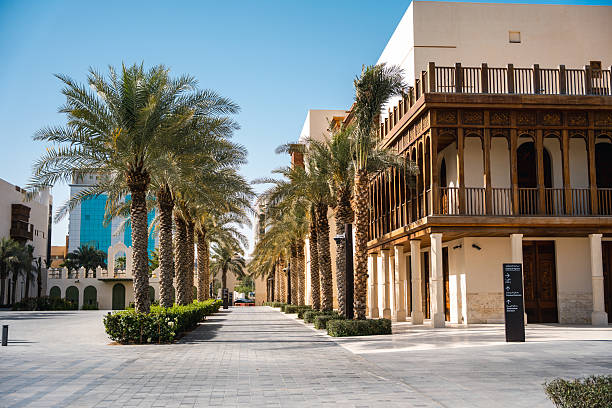
Saudi Arabia is rapidly emerging as one of the most compelling real estate investment destinations in the world. Driven by economic transformation, massive infrastructure projects, and regulatory reforms, the Kingdom is witnessing unprecedented expansion across residential, commercial, hospitality, and mixed use developments. As global capital searches for high growth markets, Saudi Arabia’s property sector has become a focal point for institutional investors, developers, and sovereign wealth funds.
In this evolving landscape, the role of a real estate consultant has become increasingly valuable for investors seeking to understand market trends, identify high yield opportunities, and navigate regulatory frameworks in the Kingdom. With Vision 2030 accelerating large scale developments and foreign ownership reforms, Saudi Arabia is on track to generate more than one trillion dollars in real estate related growth over the coming decade.
The Vision 2030 Transformation Driving Property Expansion
Saudi Arabia’s Vision 2030 strategy is the central driver behind the real estate boom. The initiative aims to diversify the Kingdom’s economy away from oil dependence by strengthening sectors such as tourism, entertainment, logistics, and technology. These industries require large scale urban infrastructure and modern residential communities, which has triggered a surge in property development.
According to industry reports, the Saudi real estate market was valued at approximately 77.2 billion dollars in 2025 and is projected to reach about 137.8 billion dollars by 2034 with a compound annual growth rate of nearly 6.7 percent.
At the same time, government backed mega projects linked to Vision 2030 have already exceeded 1.3 trillion dollars in planned investment. These projects include new cities, tourism destinations, and infrastructure corridors designed to transform the Kingdom into a global business hub.
For international investors evaluating these opportunities, working with a real estate consultant helps interpret market signals, evaluate project viability, and ensure compliance with evolving property laws.
Mega Projects Reshaping the Saudi Real Estate Landscape
A major reason global investors are targeting Saudi Arabia is the scale of its mega projects. These developments are not traditional property initiatives but entirely new urban ecosystems designed to attract businesses, tourists, and residents from around the world.
Projects such as NEOM, Diriyah Gate, Qiddiya, and the Red Sea development represent hundreds of billions of dollars in real estate and infrastructure investment. These initiatives combine residential communities, entertainment districts, hospitality resorts, and commercial centers within integrated smart cities.
The scale of construction activity reflects this transformation. Property transactions in Saudi Arabia reached approximately 2.5 trillion Saudi riyals in 2024, equivalent to more than 533 billion dollars, covering hundreds of thousands of property deals nationwide.
In addition, between July 2023 and July 2025 the Kingdom recorded real estate transactions worth about 1.2 trillion Saudi riyals, highlighting sustained market momentum.
Such large-scale activity is attracting developers and investors from North America, Europe, and Asia who are eager to participate in the long term growth of the Saudi property market.
Population Growth and Housing Demand
Another key factor driving investor interest is the Kingdom’s rapidly expanding population and urbanization trends. Saudi Arabia’s population is projected to approach 40 million by 2030, creating strong demand for housing, retail centers, and office space.
Government initiatives are also encouraging home ownership. The national home ownership rate has risen significantly during the past decade, increasing from 47 percent in 2016 to around 64 percent recently.
This shift has triggered large scale residential construction programs aimed at delivering affordable and mid market housing units across major cities such as Riyadh, Jeddah, and Dammam.
Market forecasts suggest the residential real estate sector alone could reach nearly 164.85 billion dollars in 2026, driven by housing demand, mortgage availability, and urban expansion.
For investors, this demographic momentum creates stable long term demand across multiple property segments.
Foreign Ownership Reforms Attract International Capital
Saudi Arabia has also introduced regulatory reforms that make the property market more accessible to international investors. In recent years, the government has implemented new real estate brokerage laws, digital transaction platforms, and licensing systems designed to improve transparency and investor confidence.
A landmark policy change allows foreign individuals and companies to own property in designated zones starting in 2026, further opening the market to global buyers.
These reforms reduce entry barriers and make it easier for foreign developers, funds, and private investors to participate in Saudi real estate projects.
As regulations evolve, investors increasingly rely on professional guidance from a real estate consultant who can assess legal frameworks, identify eligible investment zones, and structure cross border property acquisitions.
Tourism and Hospitality Expansion
Tourism development is another powerful driver of real estate growth in Saudi Arabia. Vision 2030 aims to attract more than 150 million annual visitors by the end of the decade through cultural events, entertainment venues, and global sporting events.
Major tourism destinations such as the Red Sea resorts and cultural districts in historic cities are generating demand for hotels, luxury residences, retail districts, and entertainment complexes.
Large scale developments are already underway. International developers have launched multi billion dollar hospitality and mixed use projects that include luxury hotels, golf resorts, and high end residential communities.
The expansion of tourism infrastructure creates new real estate investment opportunities in hospitality, serviced apartments, and short term rental markets.
Infrastructure Investments Supporting Urban Growth
Infrastructure investment is another key factor that is accelerating property development in Saudi Arabia. The government is investing heavily in transport networks, airports, metro systems, and smart city technology.
Cities such as Riyadh are undergoing massive transformation to accommodate business growth and population expansion. New metro lines, business districts, and mixed use developments are reshaping urban landscapes.
These infrastructure upgrades increase land values, improve connectivity, and attract corporate tenants, which in turn boosts the value of surrounding real estate.
For property investors, infrastructure projects often signal the emergence of high growth real estate zones where long term capital appreciation can be significant.
Technology and Digital Transformation in Real Estate
Saudi Arabia is also integrating advanced technology into its real estate ecosystem. Digital platforms, artificial intelligence based valuation tools, and online property marketplaces are improving transparency and efficiency in the sector.
According to industry reports, AI driven property valuation systems are improving pricing accuracy by approximately 25 percent and reducing transaction time for buyers and lenders.
These innovations enhance investor confidence by providing better market data, faster transactions, and improved risk management.
Digital transformation also enables international investors to participate in property transactions remotely, expanding the global reach of Saudi real estate opportunities.
Capital Flows and Institutional Investment
Global institutional investors are increasingly allocating capital to Saudi Arabia’s real estate sector. Sovereign wealth funds, private equity firms, and multinational developers are forming partnerships with local developers to build large scale projects.
Investment partnerships involving international brands and developers demonstrate growing global confidence in the Kingdom’s property market. These collaborations bring expertise, financing, and global visibility to Saudi real estate developments.
For investors seeking exposure to emerging property markets with strong growth potential, Saudi Arabia offers a rare combination of government support, demographic demand, and infrastructure expansion.
Long Term Outlook for the Saudi Real Estate Market
The outlook for Saudi Arabia’s real estate sector remains highly positive. Economic diversification, population growth, tourism expansion, and regulatory reforms are expected to sustain property demand for decades.
Many analysts believe the Kingdom’s property ecosystem could generate more than one trillion dollars in cumulative real estate investment across residential, commercial, tourism, and infrastructure developments.
For global investors evaluating opportunities in the Middle East, Saudi Arabia represents one of the most dynamic and rapidly evolving markets. Navigating this complex environment often requires the expertise of a real estate consultant who can analyze market fundamentals, assess risk factors, and identify projects with strong long term returns.
Saudi Arabia’s transformation under Vision 2030 has created one of the most ambitious real estate expansion programs in modern history. Mega projects, regulatory reforms, infrastructure investments, and demographic growth are combining to reshape the Kingdom’s property market.
With billions of dollars already flowing into large scale developments and international investors entering the market, Saudi Arabia is positioning itself as a global real estate powerhouse.
As opportunities continue to expand, partnering with an experienced real estate consultant enables investors to make informed decisions, evaluate emerging markets, and capitalize on the trillion dollar growth potential that Saudi Arabia’s real estate sector offers.
 Finance Advisory