Commercial real estate in the Kingdom of Saudi Arabia (KSA) has attracted global attention as Vision 2030 reforms and massive infrastructure investments fuel urban transformation. Headlines ask whether commercial property markets in Riyadh, Jeddah, Dammam and other major urban centers are growing an astonishing 18 percent faster than before. In this detailed analysis, we will explore the real figures shaping the sector, key market drivers, and what investors should know about opportunities and risks in 2025 and 2026. We will also highlight where expert insight from a real estate investment advisory firm can add strategic value in today’s rapidly changing market.
The Context of Commercial Real Estate Growth in Saudi Arabia
Saudi Arabia’s commercial real estate market has become a central pillar of the broader economic diversification agenda. While traditional oil revenues continue to be important, non‑oil sectors such as logistics, offices, retail, hospitality and mixed‑use developments now contribute substantially to economic activity. According to recent reports, the total market size for commercial real estate in the Kingdom was valued at over USD 132 billion in 2026, and projections indicate steady growth beyond that year.
These numbers reflect a major shift in investor confidence as regulatory reforms, foreign ownership rules, and infrastructure upgrades attract both domestic and international players. A robust performance in logistics and corporate office leasing, combined with expanding retail activity tied to tourism and entertainment, has diversified demand across asset classes.
Debunking the “18 Percent Faster Growth” Narrative
The claim that commercial real estate is growing 18 percent faster in KSA cities needs context. It is true that certain segments and locales have seen impressive year‑on‑year gains, but attributing a uniform 18 percent acceleration across all cities and property types oversimplifies the dynamics. For instance:
- In Riyadh, premium Grade A office space has remained in high demand, supporting rental and occupancy growth well above historical averages. One regional report recorded office occupancy near 98 percent, with rents increasing significantly in major business districts in 2025.
- Logistics and industrial assets have been among the fastest growing commercial segments, driven by Saudi Arabia’s ambition to become a regional logistics hub. This trend is bolstered by rising e‑commerce activity and port‑linked distribution growth.
However, when looking at macro‑level growth forecasts, commercial real estate expansion is solid but more moderate in aggregated terms. Reports from independent research firms estimate a compound annual growth rate (CAGR) of around 6 to 7 percent through the early 2030s, which is strong but not uniformly reflective of an 18 percent leap in every city or segment.
Key Drivers Behind Commercial Real Estate Expansion
To understand where growth is strongest, we must look at the structural drivers shaping demand:
Vision 2030 and Policy Execution
Saudi Arabia’s Vision 2030 reform agenda has played a central role in expanding commercial real estate. Government‑led infrastructure projects, mega‑developments like NEOM, and regulatory efforts aimed at streamlining property transactions have unlocked new investment pathways. These policies also aim to make ownership more accessible to foreigners and institutional investors under updated frameworks implemented in 2026.
Demographic and Urbanization Trends
Major cities in the Kingdom like Riyadh and Jeddah continue to attract population growth and business relocations. Riyadh’s capital status means it consistently commands the lion’s share of commercial leasing activity, while Jeddah’s position as a trade and tourism hub supports diversified property demand. Population inflows and middle‑class expansion stimulate consumption that underpins retail and mixed‑use commercial investments.
Sector‑Specific Momentum
Not all commercial segments grow at the same pace. Logistics and warehousing have become standout performers due to Saudi Arabia’s focus on becoming a global logistics center. Office space in core business districts has benefitted from multinational and regional headquarters relocating to the Kingdom, reducing vacancy rates. Retail properties with experiential formats and integration into entertainment and hospitality ecosystems have also seen healthy absorption.
City‑Level Performance: Where Growth Is Most Pronounced
The performance of commercial real estate varies across Saudi cities:
Riyadh
The capital’s commercial real estate market remains the largest in the Kingdom. Strong absorption of office space, rising demand for corporate headquarters, and premium retail locations have kept occupancy rates high. The city’s expansion of mixed‑use districts is also driving long‑term leasing commitments.
Jeddah
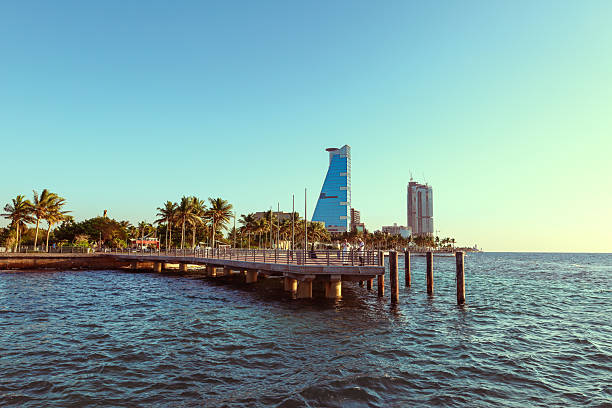
As the gateway for trade and tourism, Jeddah’s commercial real estate has seen robust activity in logistics and hospitality assets. With significant upcoming tourism targets, new hotel developments and retail experience centers are set to attract both domestic and foreign visitors, supporting commercial leasing momentum.
Dammam and Eastern Region
The Eastern Province continues to benefit from industrial and logistics demand given its proximity to major ports and export infrastructure. Growth here is tied both to manufacturing expansion and regional trade flows.
Investment Implications for 2025–2026
For investors and developers, 2025 and 2026 remain critical years. Several factors shape the risk‑reward profile of commercial real estate investments:
Stable Income and Long Leases
Investors increasingly favor assets with predictable long‑term leases that offer stability, such as logistics facilities and core offices. These assets typically deliver a more defensible income stream even when speculative development slows.
Quality Over Quantity
Growth is no longer about rapid expansion alone. Commercial real estate that offers high‑quality infrastructure, efficient design, and ESG‑aligned features is commanding premium valuations and longer tenant commitments, particularly in core urban nodes.
Regulatory Certainty
The implementation of clearer ownership laws, valuation standards, and digital property registration in 2026 has reduced transaction uncertainty, improving investor confidence.
Why Expert Guidance Matters
Given the complexity of commercial real estate markets in KSA, engagement with a real estate investment advisory firm can be a game‑changer. These advisors bring critical insights into market fundamentals, regulatory shifts, and precise location analytics. Whether you are evaluating entry into logistics parks, premium office blocks, or retail portfolios, expert advisory maximizes the potential for sustainable returns.
With evolving growth rates, segmented performance across cities, and distinct demand characteristics between asset classes, investors stand to benefit from deep sector knowledge. A professional real estate investment advisory firm can help interpret quantitative data and tailor strategies that capitalize on 2025‑2026 dynamics.
Balancing Optimism With Realism
While commercial real estate in Saudi Arabia is undeniably advancing, projecting an across‑the‑board 18 percent growth rate without nuance could mislead strategic planning. The reality is more complex:
- Some segments, like logistics and premium offices, are outpacing others due to structural demand.
- Aggregate market forecasts show steady growth but at a more moderate pace than headline figures suggest.
Investors should align expectations with asset‑level performance indicators and broader economic projections. Saudi Arabia’s GDP growth is expected to remain positive in the medium term, supporting real estate demand as non‑oil sectors continue expanding.
Strategic Growth Continues, But Disparities Matter
Commercial real estate in KSA cities is growing strongly thanks to Vision 2030 initiatives, demographic trends, and diversified demand drivers. However, the narrative of 18 percent growth must be contextualized within specific sectors and cities.
Engaging with an experienced real estate investment advisory firm provides investors with nuanced insights, enabling smarter allocation of capital and risk management tailored to this dynamic landscape. Whether the focus is Riyadh’s office market, logistics corridors in the Eastern Province, or retail hubs in Jeddah, strategic advisory is a vital component of successful investment outcomes in 2025 and 2026. With the right data, insights, and partnerships, commercial real estate in the Kingdom will continue setting benchmarks for growth in the region.
 Finance Advisory