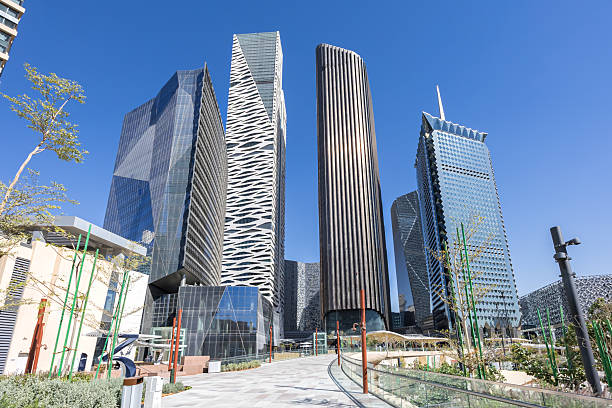
Saudi Arabia is undergoing one of the world’s most ambitious economic transformations through Vision 2030, creating unprecedented opportunities across infrastructure, renewable energy, tourism, logistics, manufacturing, and smart cities. In this environment, Feasibility Study Consultants play a vital role by helping investors, developers, and government entities assess project viability, manage risks, and ensure sustainable growth. As the Kingdom accelerates its diversification strategy, feasibility studies have become a strategic requirement rather than a preliminary business exercise.
The Growing Importance of Sustainable Development in Saudi Arabia
Sustainable development has become a cornerstone of Saudi Arabia’s economic agenda. The Kingdom is investing heavily in projects that support environmental protection, economic diversification, and social progress. Major developments such as NEOM, the Red Sea Project, and Qiddiya are designed around sustainability principles, integrating renewable energy, smart technologies, and resource efficiency.
Saudi Arabia’s approved 2026 budget allocates approximately SAR 1.313 trillion in government spending to support economic diversification, infrastructure, and strategic development initiatives under Vision 2030. Real GDP growth for 2026 is projected at around 4.6 percent, reflecting strong momentum in non oil sectors and investment driven activities.
These massive investments require detailed planning and data driven decision making, making feasibility studies a critical component of project success.
Why Feasibility Studies Matter for KSA Development
A feasibility study is a comprehensive assessment that evaluates whether a project is technically, financially, legally, and operationally viable. In Saudi Arabia’s rapidly evolving economic landscape, project complexity has increased significantly, requiring deeper analysis before capital deployment.
Feasibility studies support sustainable development by:
Identifying Economic Viability
Large scale projects require significant capital investments. Feasibility assessments determine expected returns, investment requirements, cash flow projections, and potential risks.
Supporting Environmental Sustainability
Environmental impact assessments have become increasingly important in Saudi Arabia’s mega projects. Sustainable developments need to evaluate resource consumption, carbon emissions, and long term environmental implications.
Improving Resource Allocation
Government entities and private investors seek efficient allocation of resources. Feasibility studies prevent capital from being directed toward projects with weak economic fundamentals.
Reducing Project Failure Rates
Many global infrastructure projects face delays or cost overruns due to inadequate planning. Comprehensive studies identify challenges before construction begins, reducing financial and operational risks.
The Role of Feasibility Studies in Vision 2030 Projects
Saudi Arabia’s Vision 2030 aims to reduce dependence on oil and build a diversified economy through investments in tourism, manufacturing, logistics, technology, and renewable energy.
According to recent Vision 2030 progress reports, more than 85 percent of strategic goals are either completed or on track, while approximately 93 percent of key performance indicators have been achieved or are progressing according to schedule. The Kingdom also welcomed around 122 million visitors during 2025, highlighting the rapid expansion of its tourism sector.
These achievements demonstrate the scale and speed of transformation, making project assessment more important than ever.
Tourism and Hospitality Projects
Saudi Arabia’s tourism industry has become a major growth engine. New destinations, luxury resorts, and entertainment projects require detailed market studies to determine visitor demand, operational costs, and long term profitability.
Renewable Energy Projects
The Kingdom’s transition toward renewable energy requires extensive technical and financial evaluations. Solar and wind projects must assess energy demand forecasts, infrastructure requirements, and environmental impacts.
Smart Cities and Infrastructure
Projects like NEOM involve advanced technologies, digital infrastructure, and sustainability objectives. Feasibility studies help evaluate technological requirements, economic viability, and implementation challenges.
Key Components of a Sustainable Feasibility Study
Market Analysis
Understanding market demand is fundamental. Studies examine industry trends, customer preferences, competition, and future growth opportunities.
Technical Assessment
Technical evaluations determine whether the proposed project can be implemented effectively using available technologies and resources.
Financial Analysis
Financial models estimate capital expenditures, operating costs, revenue forecasts, and investment returns.
Risk Assessment
Projects in emerging industries often face uncertainties related to regulations, technology, and market conditions. Risk assessments identify potential obstacles and mitigation strategies.
Environmental and Social Impact
Sustainable development requires consideration of environmental performance and community benefits. Modern feasibility studies integrate environmental and social governance principles into project planning.
How Feasibility Studies Support Foreign Investment in Saudi Arabia
Saudi Arabia continues to attract significant foreign investment as international companies seek opportunities in its expanding economy.
The Kingdom recorded approximately SAR 133 billion in foreign capital inflows and more than 675 multinational companies established regional headquarters in Riyadh as part of the government’s investment attraction initiatives.
International investors often rely on Feasibility Study Consultants to understand local regulations, market conditions, and investment opportunities before committing capital.
Professional feasibility studies provide investors with:
Market Intelligence
Detailed information about consumer demand, industry dynamics, and competitive positioning.
Financial Transparency
Reliable financial projections and investment return estimates.
Regulatory Understanding
Clear insights into legal requirements, permits, and compliance obligations.
Risk Management
Comprehensive evaluation of operational and financial risks.
Sustainable Development Requires Evidence Based Planning
The rapid pace of development in Saudi Arabia has demonstrated that ambitious projects require realistic planning and sound economic foundations. Recent adjustments to certain mega projects have highlighted the importance of conducting thorough assessments before implementation.
Evidence based planning through feasibility studies ensures that projects align with market demand, financial capabilities, and sustainability objectives.
For public sector initiatives, feasibility studies contribute to:
Better Policy Decisions
Governments can prioritize projects that generate long term economic and social benefits.
Efficient Public Spending
Resources can be directed toward initiatives with the highest potential returns and public impact.
Long Term Sustainability
Projects become more resilient and adaptable to changing market conditions.
Technology and Data Are Transforming Feasibility Studies in KSA
The adoption of digital technologies and artificial intelligence is changing how feasibility studies are conducted.
A recent nationwide study found that approximately 93 percent of Saudi respondents actively use generative artificial intelligence technologies, reflecting the country’s growing digital maturity and technology adoption.
Modern Feasibility Study Consultants increasingly use:
Predictive Analytics
Advanced models forecast market demand and economic scenarios.
Geographic Information Systems
Location based analysis improves infrastructure and real estate planning.
Artificial Intelligence
AI driven tools process large datasets and enhance forecasting accuracy.
Real Time Data Monitoring
Dynamic data collection supports better decision making and risk assessment.
These technologies improve the quality, speed, and reliability of feasibility assessments.
The Future of Feasibility Studies in Saudi Arabia
Saudi Arabia’s development strategy continues to create opportunities across multiple sectors including tourism, logistics, mining, healthcare, education, and technology.
The government’s privatization strategy targets more than 220 contracts across 18 sectors by 2030, creating substantial opportunities for both local and international investors.
As investment activity accelerates, the demand for professional Feasibility Study Consultants will continue to grow. Organizations increasingly recognize that successful projects depend on detailed planning, robust financial analysis, and sustainability focused decision making.
Feasibility studies are becoming an essential component of national transformation by helping businesses and government institutions evaluate opportunities, reduce uncertainty, and create projects that deliver long term economic, environmental, and social value.
Through comprehensive assessments and data driven insights, feasibility studies support Saudi Arabia’s journey toward a diversified, resilient, and sustainable economy that aligns with the ambitions of Vision 2030 and beyond.
 Finance Advisory