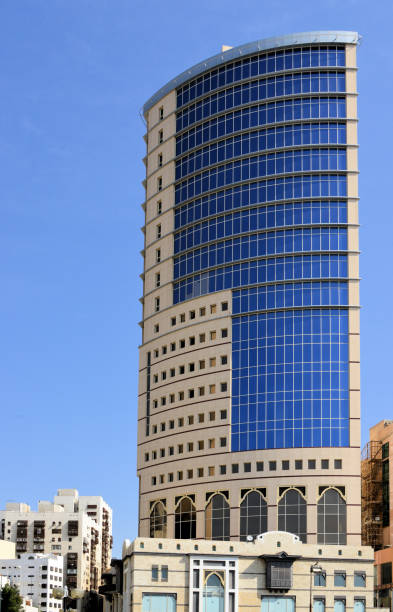
Expanding a business in Saudi Arabia offers exceptional opportunities, but growth without proper planning can expose companies to financial, operational, and strategic risks. Whether a company plans to establish a new manufacturing facility, launch a retail chain, enter a new city, or introduce innovative products, every expansion should begin with a comprehensive assessment of its viability. Feasibility Study Services provide organizations with valuable insights into market demand, investment requirements, competitive positioning, operational readiness, and financial returns before major capital commitments are made. As Saudi Arabia continues to transform its economy through Vision 2030, businesses that rely on data driven feasibility studies are significantly better positioned to achieve sustainable growth.
Why Business Expansion Requires Strategic Planning
Business expansion is much more than increasing sales or opening new branches. It involves understanding market conditions, customer expectations, financial capacity, regulatory requirements, and long term sustainability.
Saudi Arabia’s economy continues to diversify rapidly through investments in tourism, technology, logistics, renewable energy, healthcare, manufacturing, and infrastructure. According to economic forecasts released during 2026, Saudi Arabia remains one of the largest investment destinations in the Middle East, supported by Vision 2030 initiatives and significant public sector investments exceeding SAR 1 trillion across multiple development programs.
While opportunities continue to grow, competition is also increasing. Companies entering new markets without proper planning often experience delayed returns, higher operating costs, and unexpected regulatory challenges.
A feasibility study reduces uncertainty by evaluating every critical aspect before implementation.
Understanding a Feasibility Study
A feasibility study is a structured evaluation that determines whether a proposed business expansion is practical, profitable, and sustainable. It combines market intelligence, technical analysis, financial modelling, operational planning, and risk assessment.
Instead of relying on assumptions, businesses gain evidence based insights that support better investment decisions.
Typical components include:
• Market demand analysis
• Industry trends
• Customer behaviour
• Competitor assessment
• Technical feasibility
• Financial projections
• Operational planning
• Human resource requirements
• Risk analysis
• Legal and regulatory compliance
These assessments help management determine whether to proceed, modify, postpone, or reject an expansion initiative.
Saudi Arabia’s Expanding Business Landscape in 2026
Saudi Arabia continues to experience remarkable economic transformation. Government initiatives have accelerated private sector participation across numerous industries.
Some notable 2026 indicators include:
• GDP expected to exceed USD 1.2 trillion
• Non oil activities now contribute more than 54% of total GDP
• Public Investment Fund continues managing assets exceeding USD 1 trillion
• Tourism targets more than 150 million annual visitors
• Over 5,000 industrial licenses have been issued under industrial development programmes
• Foreign direct investment continues rising as international companies establish regional headquarters in Riyadh
These figures demonstrate why expansion opportunities are increasing across multiple sectors.
However, growing markets also attract more competitors, making informed decision making increasingly important.
Why Expansion Plans Fail Without Proper Analysis
Many businesses underestimate the complexity of entering new markets.
Common reasons expansion projects fail include:
• Incorrect market demand forecasts
• Underestimated operating expenses
• Poor location selection
• Inadequate financing
• Supply chain disruptions
• Weak pricing strategies
• Regulatory misunderstandings
• Unrealistic revenue projections
• Limited customer awareness
• Poor competitive differentiation
Most of these risks can be identified early through detailed feasibility analysis.
Market Research Builds Stronger Expansion Strategies
Market research forms the foundation of every successful expansion project.
Businesses must understand:
• Who their customers are
• What customers expect
• Purchasing behaviour
• Market size
• Growth potential
• Seasonal demand
• Consumer preferences
• Digital buying trends
Saudi Arabia’s young population and high digital adoption continue reshaping consumer behaviour. More than 99% internet penetration and increasing ecommerce activity provide businesses with valuable opportunities across retail, financial services, healthcare, education, and entertainment.
Reliable market intelligence helps businesses identify underserved markets while avoiding saturated segments.
Financial Analysis Reduces Investment Risk
One of the most valuable parts of a feasibility study is financial evaluation.
Businesses need realistic estimates regarding:
• Initial investment
• Working capital
• Operating expenses
• Revenue forecasts
• Cash flow
• Profit margins
• Break even analysis
• Return on investment
Accurate financial modelling allows investors to understand whether expansion generates acceptable returns within expected timeframes.
Financial analysis also helps identify funding requirements before projects begin.
Evaluating Competitive Position
Every market contains existing competitors.
A feasibility study examines:
• Market leaders
• Pricing structures
• Product differentiation
• Customer loyalty
• Service quality
• Distribution channels
• Marketing approaches
Understanding competitors allows businesses to position themselves more effectively while identifying market gaps.
Rather than competing solely on price, companies can develop stronger value propositions.
Operational Readiness Matters
Expansion requires operational capacity.
Businesses should evaluate:
• Production capability
• Warehouse capacity
• Supplier reliability
• Technology infrastructure
• Workforce availability
• Inventory management
• Distribution efficiency
• Customer support systems
Operational challenges often become the largest obstacle during expansion.
Identifying weaknesses before implementation significantly improves execution.
Regulatory Compliance Protects Investments
Saudi Arabia has modernised many investment regulations while maintaining strict compliance standards.
Businesses expanding into new sectors must understand:
• Commercial registration
• Licensing requirements
• Municipal approvals
• Labour regulations
• Environmental standards
• Tax obligations
• Industry specific regulations
Ignoring regulatory requirements can result in delays, penalties, or project suspension.
Professional assessments help companies prepare documentation before expansion begins.
Risk Assessment Improves Decision Making
Every investment involves uncertainty.
Effective risk assessment identifies potential threats before they become costly problems.
Examples include:
• Economic fluctuations
• Inflation
• Currency volatility
• Labour shortages
• Technology disruptions
• Supply chain interruptions
• Regulatory changes
• Market saturation
• Changing customer behaviour
Risk management strategies help organisations prepare contingency plans while protecting investments.
How Feasibility Study Improve Expansion Success
Businesses increasingly rely on Feasibility Study Services because expansion decisions require objective analysis rather than assumptions.
Professional feasibility specialists evaluate multiple scenarios using verified market data, financial modelling, industry benchmarks, and operational assessments.
This enables business owners, investors, lenders, and stakeholders to understand both opportunities and potential challenges before allocating significant capital.
Independent analysis also improves investor confidence by demonstrating that decisions are supported by measurable evidence.
Industry Sectors Benefiting from Feasibility Studies
Numerous industries across Saudi Arabia benefit from feasibility studies before expansion.
These include:
• Manufacturing
• Healthcare
• Hospitality
• Tourism
• Retail
• Food processing
• Education
• Real estate
• Renewable energy
• Logistics
• Information technology
• Construction
Each industry has unique financial, operational, and regulatory requirements that must be evaluated carefully.
Location Analysis Influences Profitability
Selecting the right location often determines long term business success.
A feasibility study evaluates:
• Population growth
• Customer demographics
• Traffic patterns
• Accessibility
• Infrastructure
• Nearby competitors
• Rental costs
• Labour availability
• Future development plans
Saudi Arabia’s rapidly expanding cities create opportunities, but location decisions should always be supported by reliable data.
Technology Considerations During Expansion
Digital transformation continues reshaping businesses throughout Saudi Arabia.
Expansion projects increasingly evaluate:
• Artificial intelligence
• Automation
• Cloud computing
• ERP systems
• Customer relationship management
• Digital payment platforms
• Data analytics
• Cybersecurity
Technology investments improve efficiency while supporting long term scalability.
Businesses that integrate digital capabilities early often gain competitive advantages.
Sustainability Is Becoming a Business Priority
Environmental responsibility has become increasingly important across Saudi Arabia.
Investors now assess:
• Energy efficiency
• Waste management
• Resource utilisation
• Carbon reduction
• Sustainable construction
• Renewable energy integration
Many financial institutions also consider sustainability initiatives when evaluating investment opportunities.
Including sustainability within feasibility studies supports long term competitiveness.
Supporting Investor Confidence
Investors expect transparent, evidence based business plans.
Comprehensive feasibility studies provide:
• Verified market research
• Financial projections
• Risk assessments
• Investment requirements
• Profitability forecasts
• Growth opportunities
This level of analysis helps secure financing while improving stakeholder confidence.
Banks and investment partners often require feasibility documentation before approving funding.
Data Driven Expansion Decisions
Modern businesses increasingly depend on analytics.
Decision makers use:
• Consumer insights
• Industry benchmarks
• Financial forecasting
• Market segmentation
• Demand forecasting
• Geographic analysis
• Operational performance indicators
Data driven planning reduces uncertainty and improves strategic decision making.
Companies relying on verified information typically achieve more predictable outcomes.
Common Mistakes Businesses Should Avoid
Even experienced organisations can overlook critical factors.
Common mistakes include:
• Expanding too quickly
• Ignoring competitor activity
• Overestimating customer demand
• Underestimating operating expenses
• Weak financial planning
• Limited risk analysis
• Choosing unsuitable locations
• Delaying regulatory approvals
• Poor workforce planning
Avoiding these mistakes significantly improves expansion success.
Measuring Expansion Success
Successful expansion extends beyond opening a new location.
Businesses should monitor:
• Revenue growth
• Customer acquisition
• Market share
• Profit margins
• Customer satisfaction
• Employee productivity
• Operational efficiency
• Cash flow
• Return on investment
Continuous performance monitoring allows organisations to adjust strategies when necessary.
Future Expansion Trends in Saudi Arabia
Saudi Arabia’s evolving economy continues creating new investment opportunities.
Important trends shaping future expansion include:
• Smart cities
• Digital commerce
• Artificial intelligence adoption
• Green infrastructure
• Healthcare innovation
• Tourism development
• Advanced manufacturing
• Logistics transformation
• Financial technology
• Renewable energy investment
Government initiatives supporting private sector growth continue attracting domestic and international investors.
Businesses prepared with comprehensive planning will be better positioned to capitalise on these emerging opportunities.
Why Every Expansion Plan Should Begin with a Feasibility Study
Every successful expansion starts with informed decision making rather than assumptions. Entering a new market, increasing production capacity, launching innovative products, or expanding geographically all require detailed planning supported by reliable information. Feasibility Study Services enable organisations to evaluate market opportunities, financial performance, operational readiness, competitive positioning, and potential risks before significant investments are made.
Saudi Arabia’s rapidly evolving economy presents exceptional opportunities across numerous sectors, but growth also brings greater competition and higher expectations from investors and stakeholders. Businesses that conduct detailed feasibility studies gain stronger strategic direction, improved financial confidence, and greater resilience against unexpected challenges.
As Vision 2030 continues transforming the Kingdom into a global investment destination, organisations that integrate Feasibility Study Services into every expansion strategy will be better equipped to make informed decisions, manage uncertainty, optimise resources, and build sustainable long term success.
 Finance Advisory